
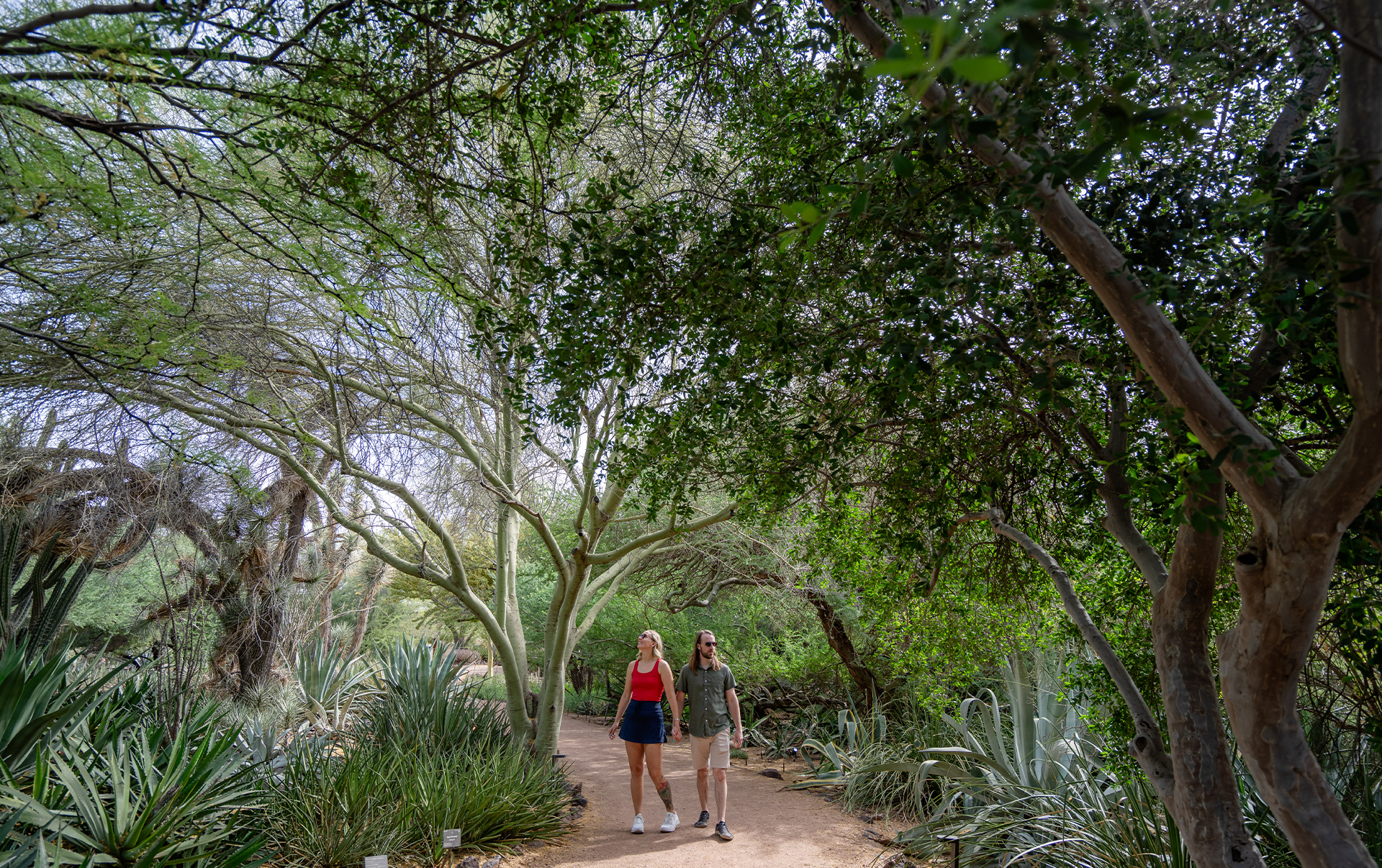
National Arbor Day on April 24 encourages individuals to plant more trees, nurture them and celebrate the vibrancy of native trees in your local communities.
Trees form the foundational “bone” structure of the entire landscape. Once they mature, they become enduring elements in your garden.
To celebrate Arbor Day, the Garden’s horticulture department compiled some tips to keep your trees healthy year-round.
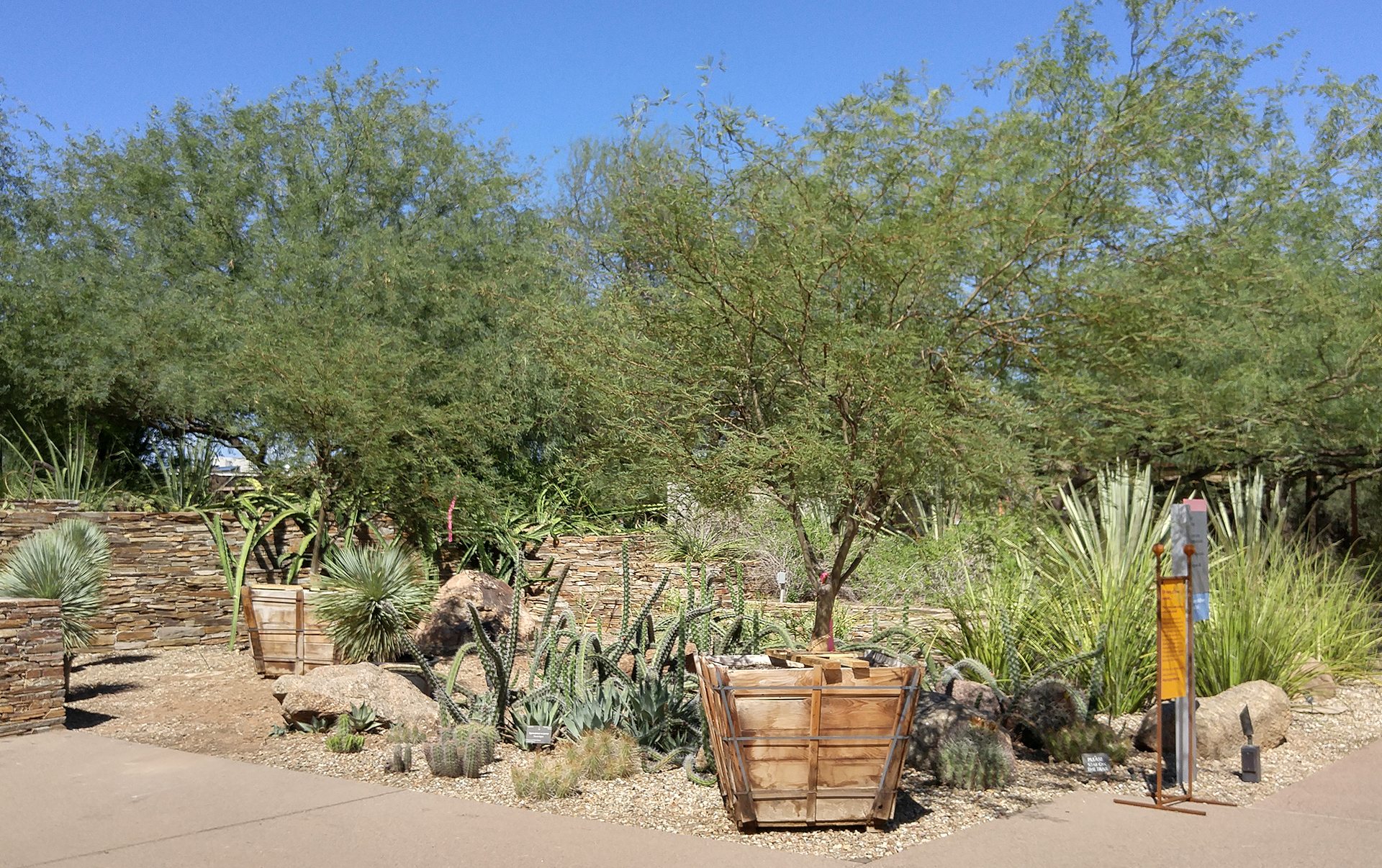
PLANTING
- Check for the trunk flare prior to planting. The trunk flare is where the trunk of the tree expands at the base and should be visible once planted. If it isn’t visible, remove any excess soil before proceeding.
- Examine the tree’s root ball for circling roots. Straighten, cut, or remove any circling roots as needed. Leaving girdling or circling roots can lead to future issues for the tree.
- Prepare a wide and shallow planting hole. The hole should be two to three times the width of the root ball but only as deep as the root ball itself.
- After placing the tree in the hole, backfill with the removed soil. This will provide stability around the root ball and help eliminate air pockets; remember to water as you backfill. There’s no need to add any amendments to the planting hole.
- Water your trees deeply and slowly. This promotes a robust root system, enabling them to withstand any storms that may occur. Water newly planted trees every seven to 14 days during the spring and summer months. Avoid keeping the soil consistently wet.
- Allow your newly planted tree to grow for at least a year before pruning. Newly planted trees depend on their leaves to produce food, which nourishes their developing root systems. At this stage, only remove dead or broken branches.
- Remove the nursery tree stake after planting. Staking is not always necessary and can actually impede tree growth, resulting in a smaller root system and a weaker trunk.
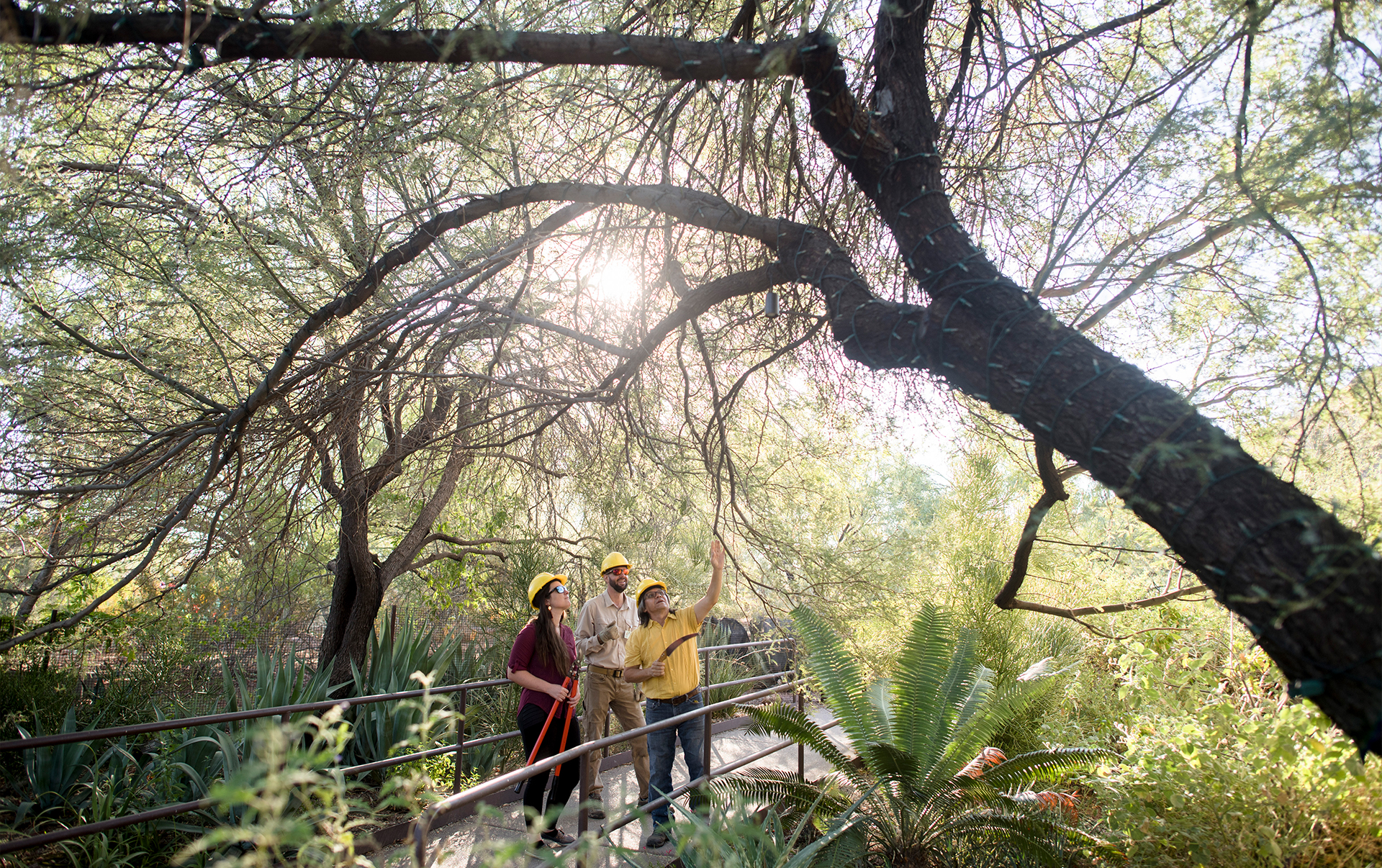
PRUNING
- Establish a clear objective for why the tree requires pruning. For instance, if you need to create clearance for walking underneath, that serves as a valid reason for pruning.
- Improper pruning can lead to long-lasting harm to the tree. Ensure that your pruning cuts are made just outside the branch collar to prevent damage to the trunk.
- Select the Appropriate Pruning Tools
- For small branches, hand pruners are ideal.
- For larger cuts exceeding ½ inch in diameter, utilize lopping shears or a pruning saw.
- Always ensure your tools are sharp and clean.
- Avoid Topping Trees
- Topping is a common but detrimental practice in tree pruning.
- Topping involves indiscriminately cutting branches down to stubs to reduce tree size, which can lead to significant stress on the tree.
- New growth from topped trees is weakly attached and more susceptible to breakage.
- No more than 25% of the tree crown should be pruned at once, with even less recommended for mature trees.
For more information on caring for trees, visit the International Society of Aboriculture Trees are Good resources.
