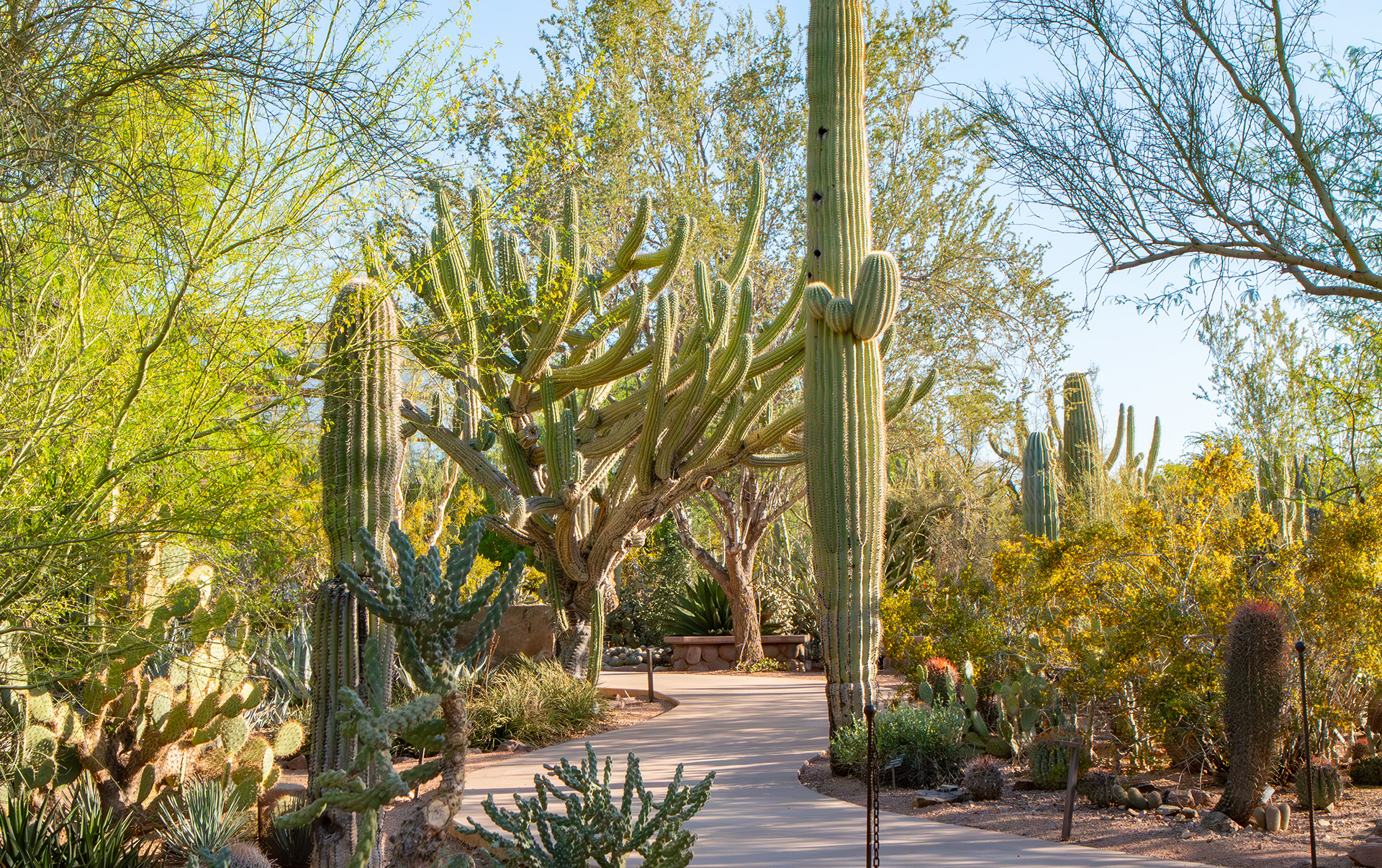
The season breathes new life into the desert, as even high temperatures give way to vibrant growth. In the Southwest, monsoon season typically runs from June 15 through Sept. 30. At Desert Botanical Garden, these heavy, humid rains awaken a wide variety of plants throughout the trails.
Below are some monsoon-loving plants guests can spot along the trails this season, along with other plants that thrive with summer rains in gardens and green spaces across the region.
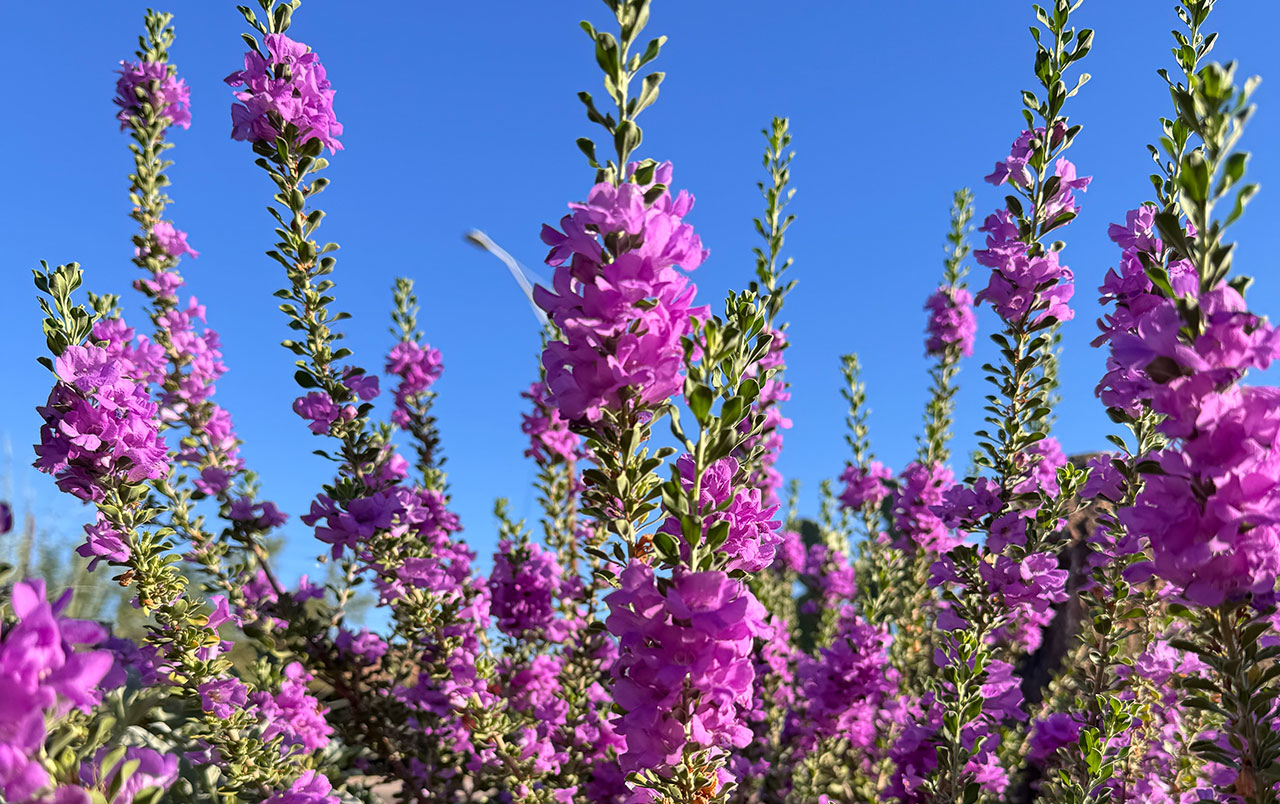
Often referred to as the barometer bush, this plant is believed to predict the arrival of rain by blooming prior to a storm. While definitive research on the barometer bush and its blooming patterns is lacking, it is possible that high humidity or low atmospheric pressure triggers its flowers. These two conditions are indeed associated with rain, but it is important to note that high humidity or low pressure does not guarantee rainfall. Either way, Leucophyllum is a stunning shrub that thrives in heat and drought conditions. Its low maintenance nature makes it an ideal choice for adding vibrant color to your summer landscape.
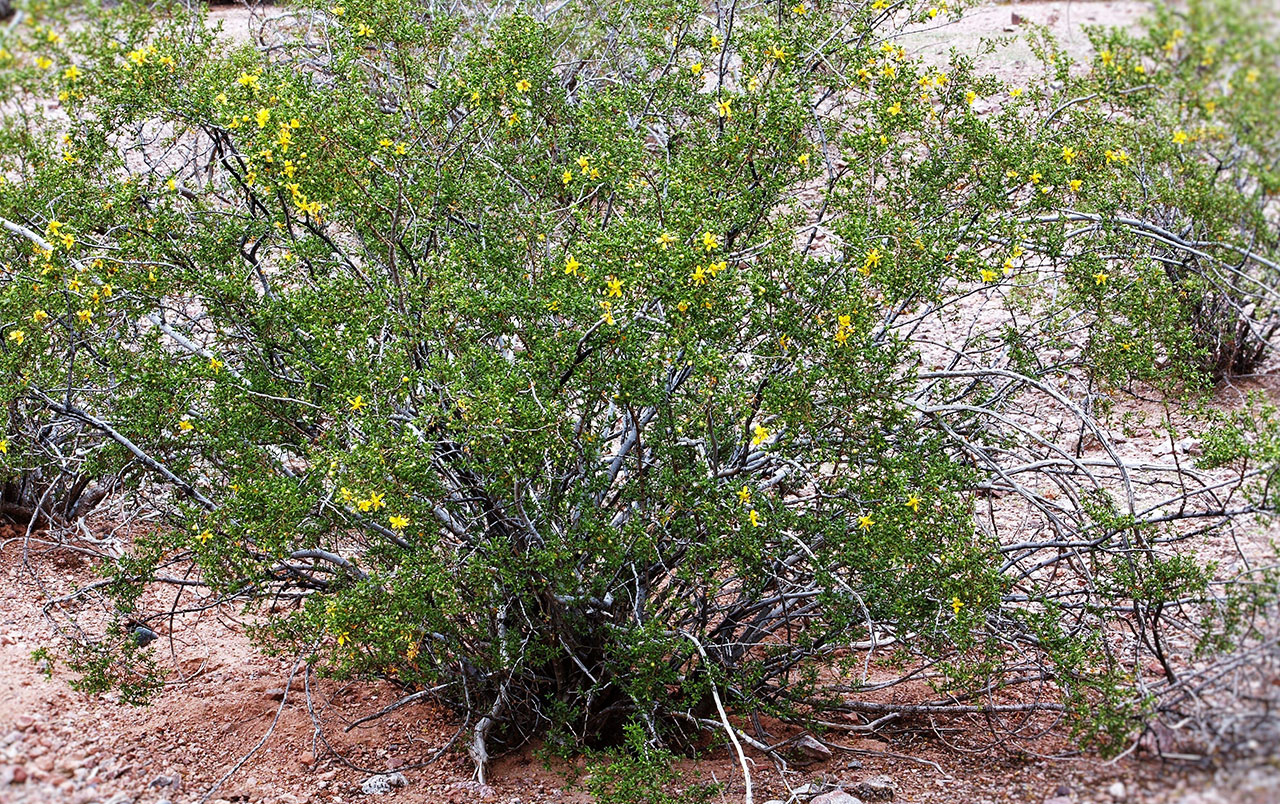
Walking into the desert or even the garden after a summer rain, you are likely to encounter what many refer to as the scent of “the desert smells like rain,” also known as *petrichor*. This term was coined by Australian scientists to describe the unique, earthy aroma associated with rainfall. Following a desert storm, you can detect earthy, herbal, and musky notes drifting through the air. Initially, it was believed that this “petrichor” came from the resins found on creosote leaves. However, research now suggests that the distinct fragrance is actually produced by a fungus (Phoma sp.) residing within the creosote stems and leaves, rather than from the plant’s resins. While the science behind it may be complex, the delightful scent that fills the desert after rain is truly something to treasure, uniquely characteristic of our desert environment where creosote thrives.
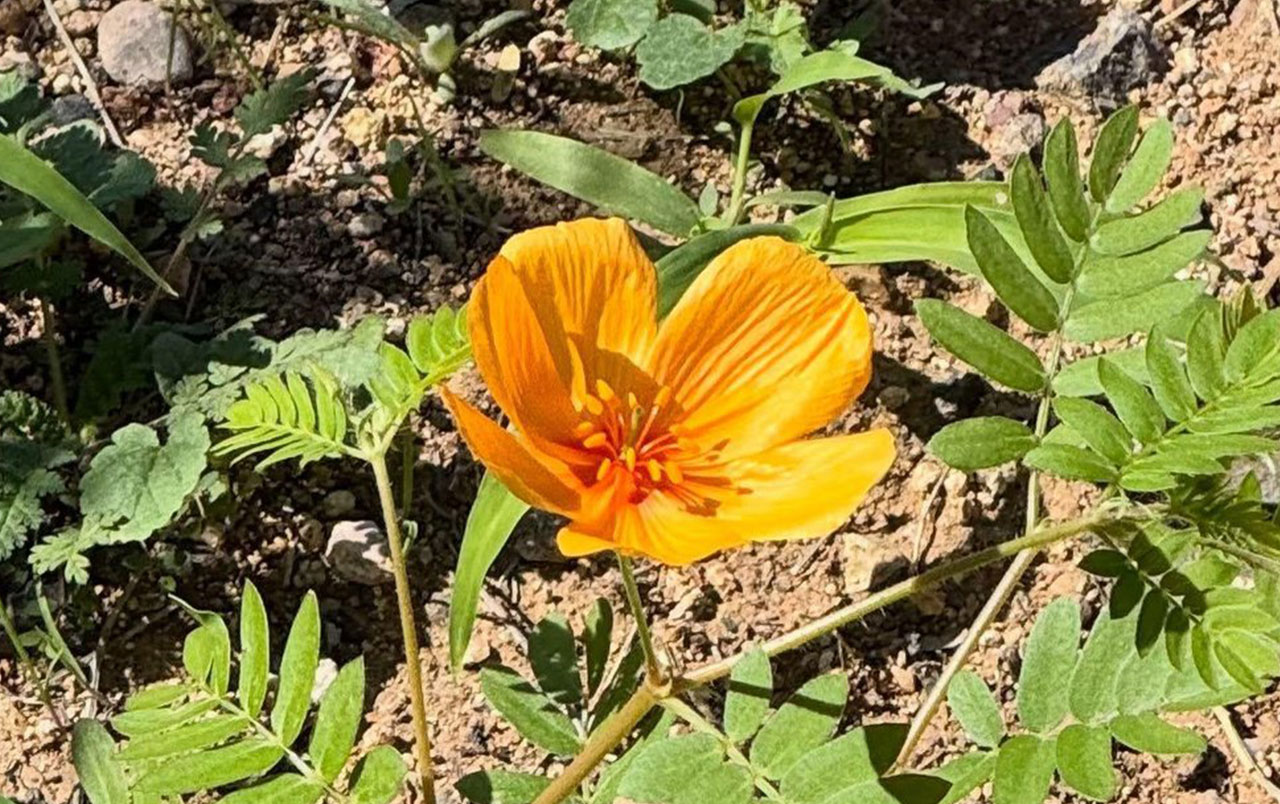
These annual plants depend on monsoon storms for their germination and growth. When summer rains are plentiful, they can thrive abundantly in the desert. It’s common for the Summer Poppy to be mistakenly identified as the spring-blooming Mexican Gold Poppy. These annuals rely on the summer monsoon season not only for germination, but also to bloom throughout the summer. Both species are visually striking, with the Summer Poppy displaying vibrant orange flowers and Devil’s Claw showcasing pink to purple blooms. The Devil’s Claw is particularly notable for its unique, hooked fruits that resemble a claw.
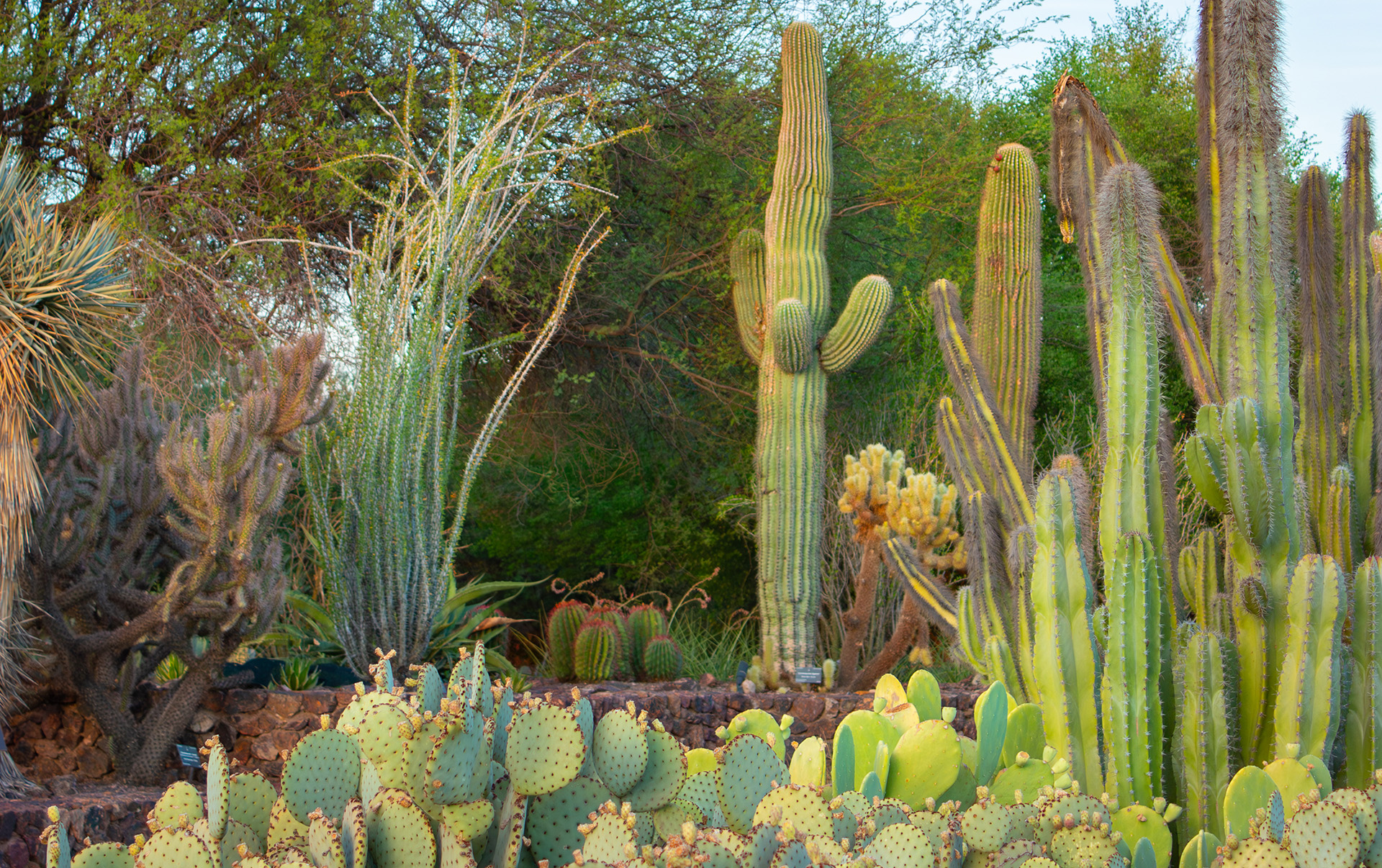
The saguaro cactus is a well-known emblem of the Sonoran Desert, thriving in both isolated areas and urban settings, such as Garden. Once its flowers are pollinated, the fruits burst open and fall to the ground before the summer rains typically arrive. As the summer rainy season commences, animals play a vital role in seed dispersal by consuming the fallen fruit, which contains numerous seeds. Saguaro seeds usually germinate during the summer rains between July and August. The frequency of these monsoon storms are crucial for creating favorable conditions for seed germination. Germination can happen within 48 to 72 hours of consistent moisture exposure. Additionally, the germination of saguaro seeds relies on the microclimate created by the shade from trees, rocks and other shade-providing objects, which help maintain moisture levels necessary for germination. Indeed, the saguaro seed is truly a plant that thrives in and depends on monsoon conditions for their survival
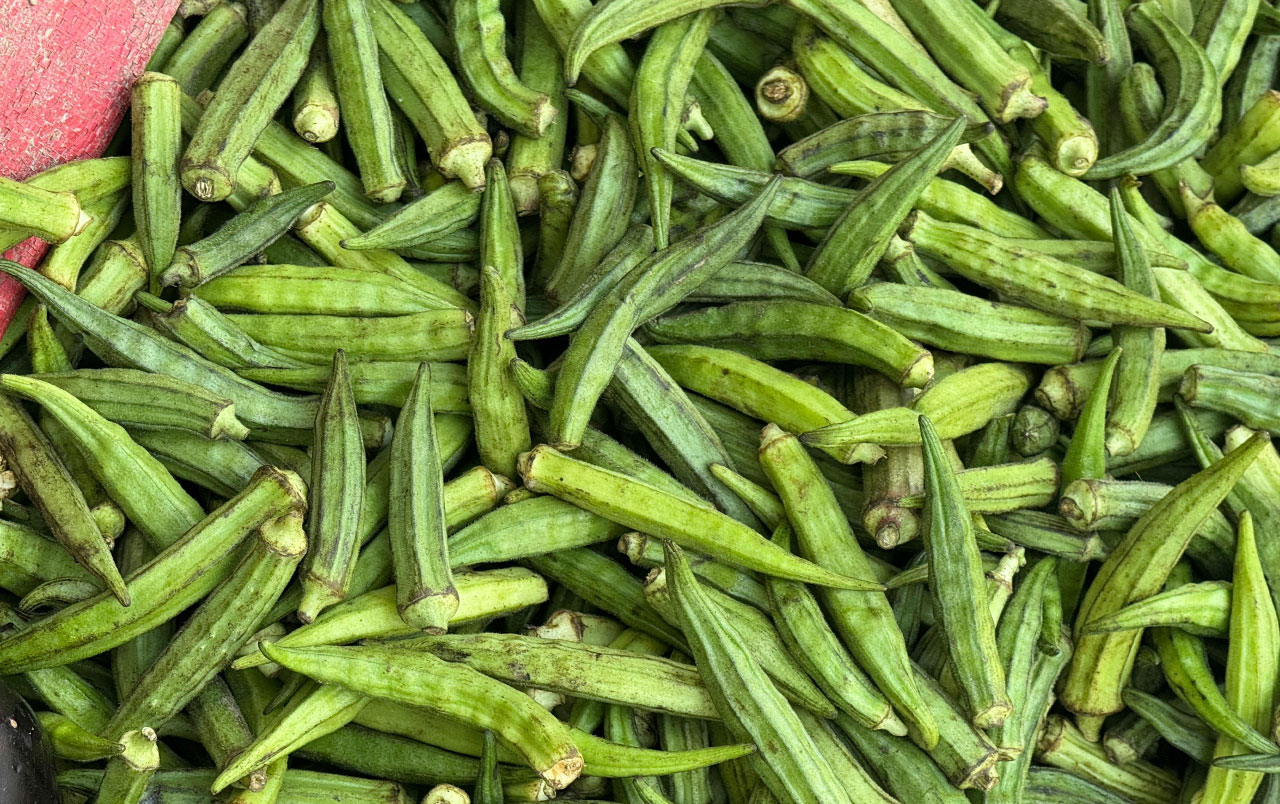
As humidity increases and summer rains nourish desert gardens, it’s the perfect moment to plant monsoon vegetables. Consider transplanting tomatoes and peppers, as they thrive well into monsoon summer for a fall harvest. You can also sow seeds for squash, beans, small pumpkins, okra and roselle (Hibiscus sabdariffa). These monsoon-loving plants present a fantastic chance for desert gardeners to enjoy one last burst of summer produce before transitioning to cool-season vegetables. If you missed the opportunity to plant pumpkins in spring, you might have another chance during the monsoon, allowing you to create that homemade pumpkin pie for Thanksgiving.
There’s nothing quite like monsoon season at the Garden. When the scent of creosote fills the air and the rain cools the trails, the Sonoran Desert transforms in ways only this season can. Every storm brings new life to the Garden’s plants and draws people outdoors to enjoy the desert after the rain. Even after the rain passes, the Garden stays full of seasonal beauty shaped by the monsoons and waiting to be discovered. Wander the trails and enjoy the colors of the desert in bloom this summer.
