As the monsoon season approaches in the Valley, discover how to nurture your plants and garden with these useful tips from the Garden’s Horticulture department.
1. Shade Your Plants
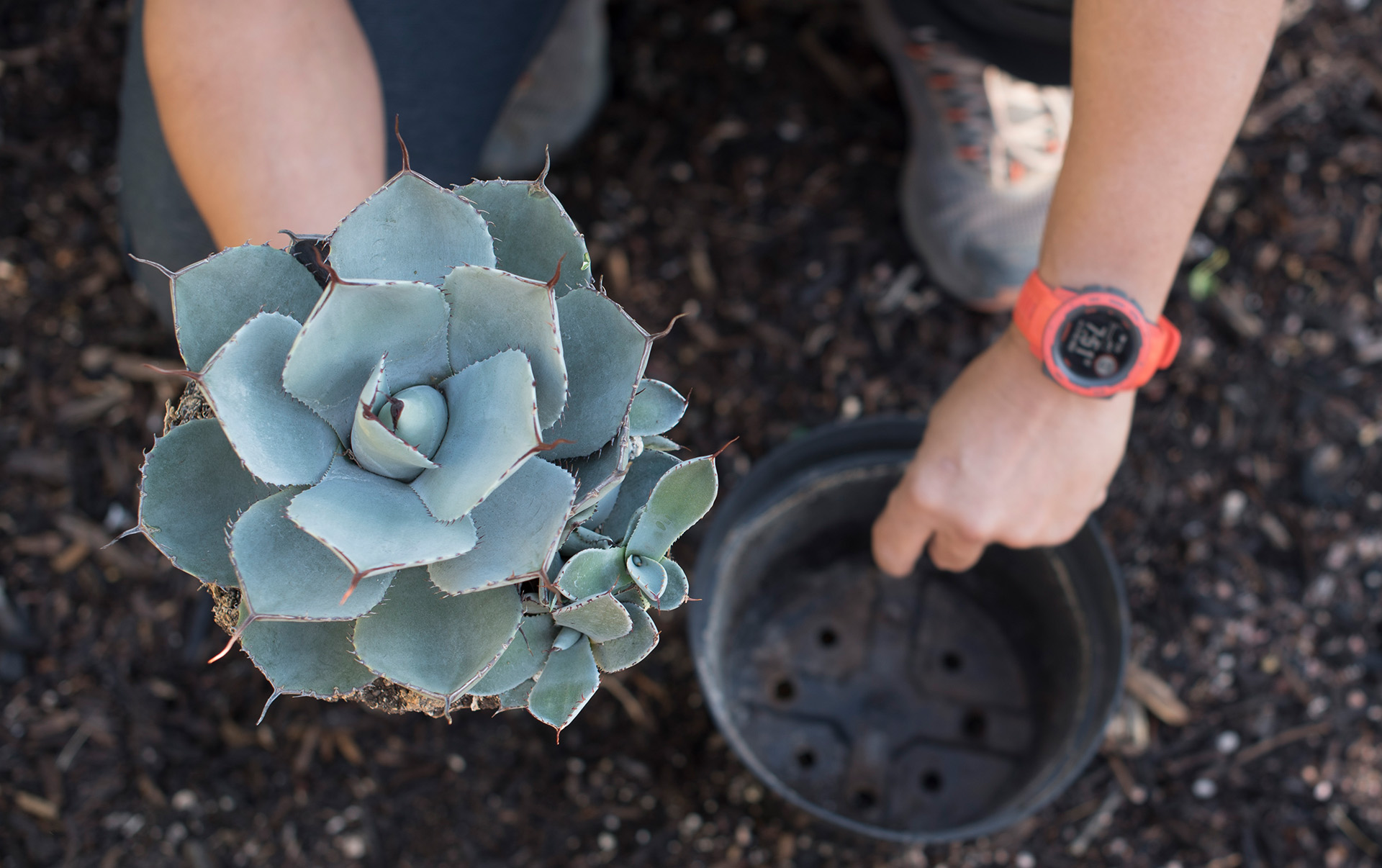
Shade protection is essential for a variety of plants, such as cactus, agaves and other succulents. Even vegetables like tomatoes and bell or chili peppers require some shading. You can purchase shade cloth at a local nursery, and it’s best to seek out a rating between 30% and 50%, as this range is the most effective. It’s advisable to keep the shade cloth on your plants throughout the summer season.
2. Look for Symptoms of Water Stress
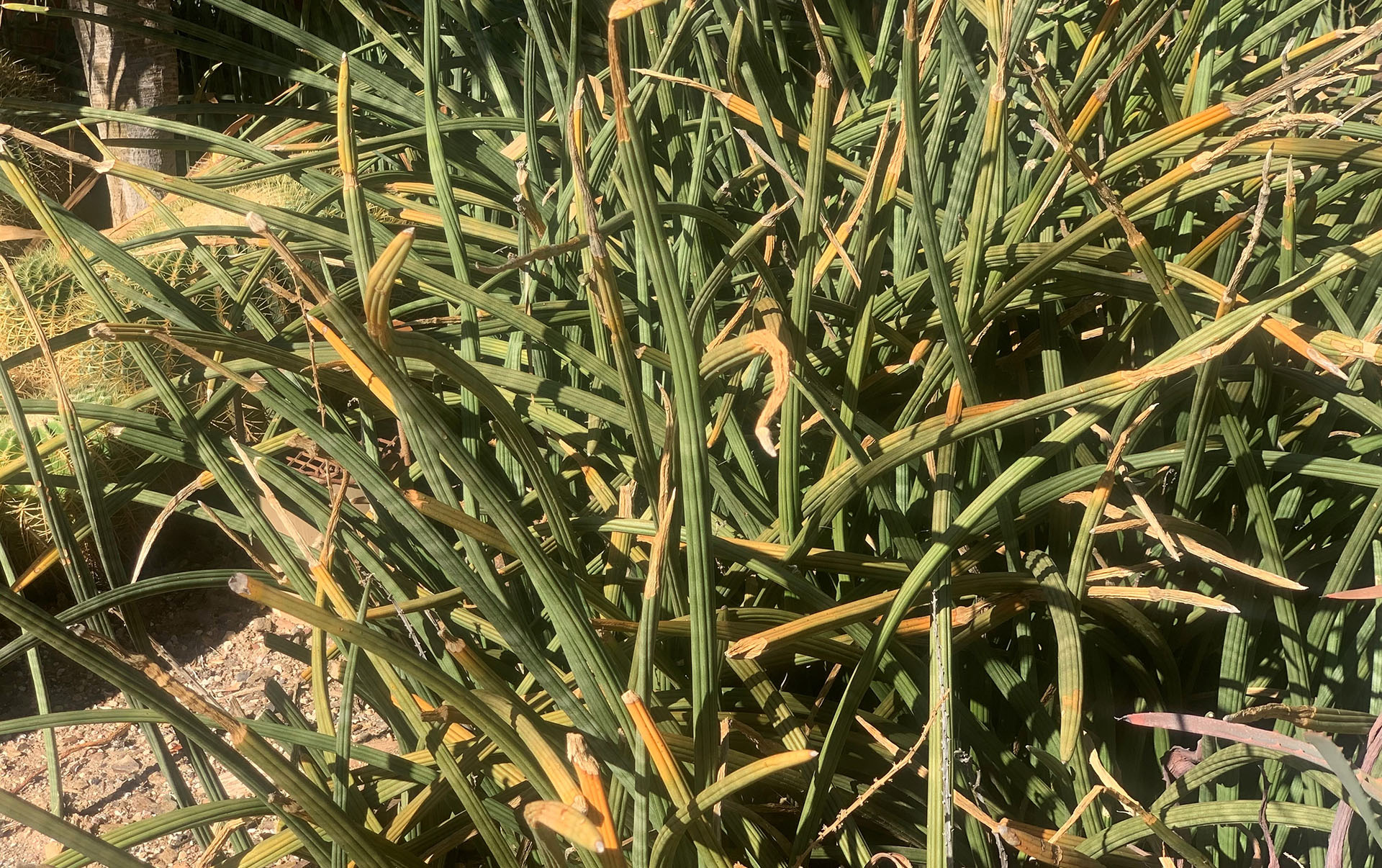
Regularly check for symptoms of water stress in your plants. Here are some symptoms to watch for:
- Wilting, curling, or dull leaves
- Yellowing or shedding of older leaves
- Wrinkling of leaves and stems (especially in succulents)
- Dead stems or branches
- If it rains, be sure to turn off your irrigation system and allow nature to take care of watering your plants.
3. Keep Pruning to a Minimum
Avoid pruning during the summer months, as it can place undue stress on the plant. Pruning may encourage plants to generate more foliage, while their roots could be experiencing water stress. Furthermore, excessive pruning can expose plant tissue, increasing the likelihood of sunburn.
4. Water Deeply, Wide and Infrequently
For desert plants to develop a strong root system, it is crucial to water deeply and thoroughly, allowing the soil to dry out between watering intervals. This is particularly important for desert trees and shrubs. Avoid keeping the soil consistently moist or shallow watering as these are not advised for optimal root growth.
5. Add Mulch
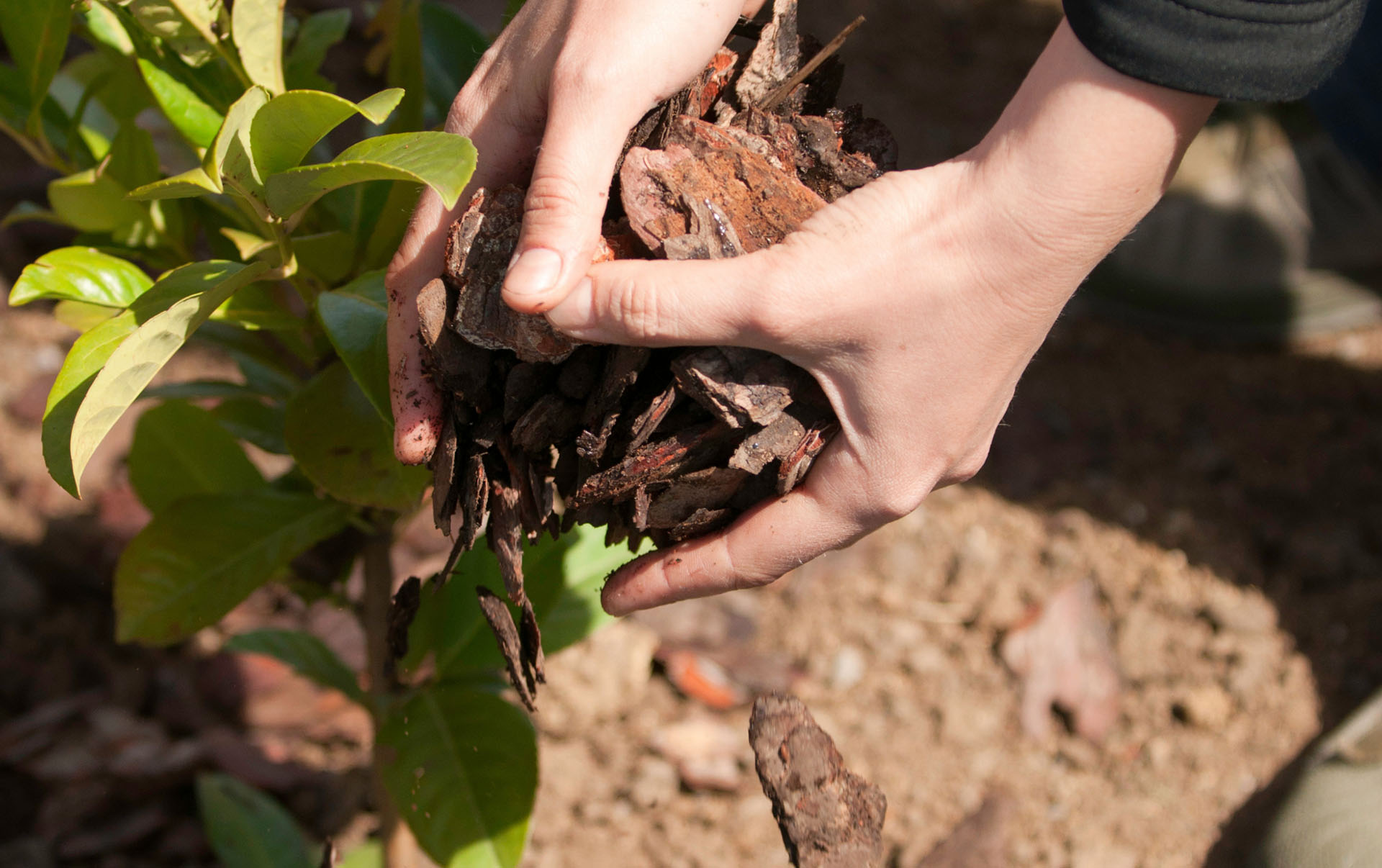
Mulch is a protective layer applied to the soil’s surface. Opt for an organic mulch, such as compost, to retain moisture effectively. It is particularly beneficial for “thirsty” plants like citrus, but you can also use it for desert trees, shrubs and other perennials. Apply a layer of about one to two inches around the plant, ensuring it does not touch the base of the plant stem or trunk. Additionally, mulch provides the extra advantage of keeping the soil cooler.
6. Go Easy on the Fertilizer
Most desert plants typically do not require fertilization unless they are planted in a container. It is advisable to avoid fertilizing plants during the hottest periods when temperatures exceed 110°F. Fertilizers stimulate new growth that is susceptible to sun damage or can lead to increased water consumption.