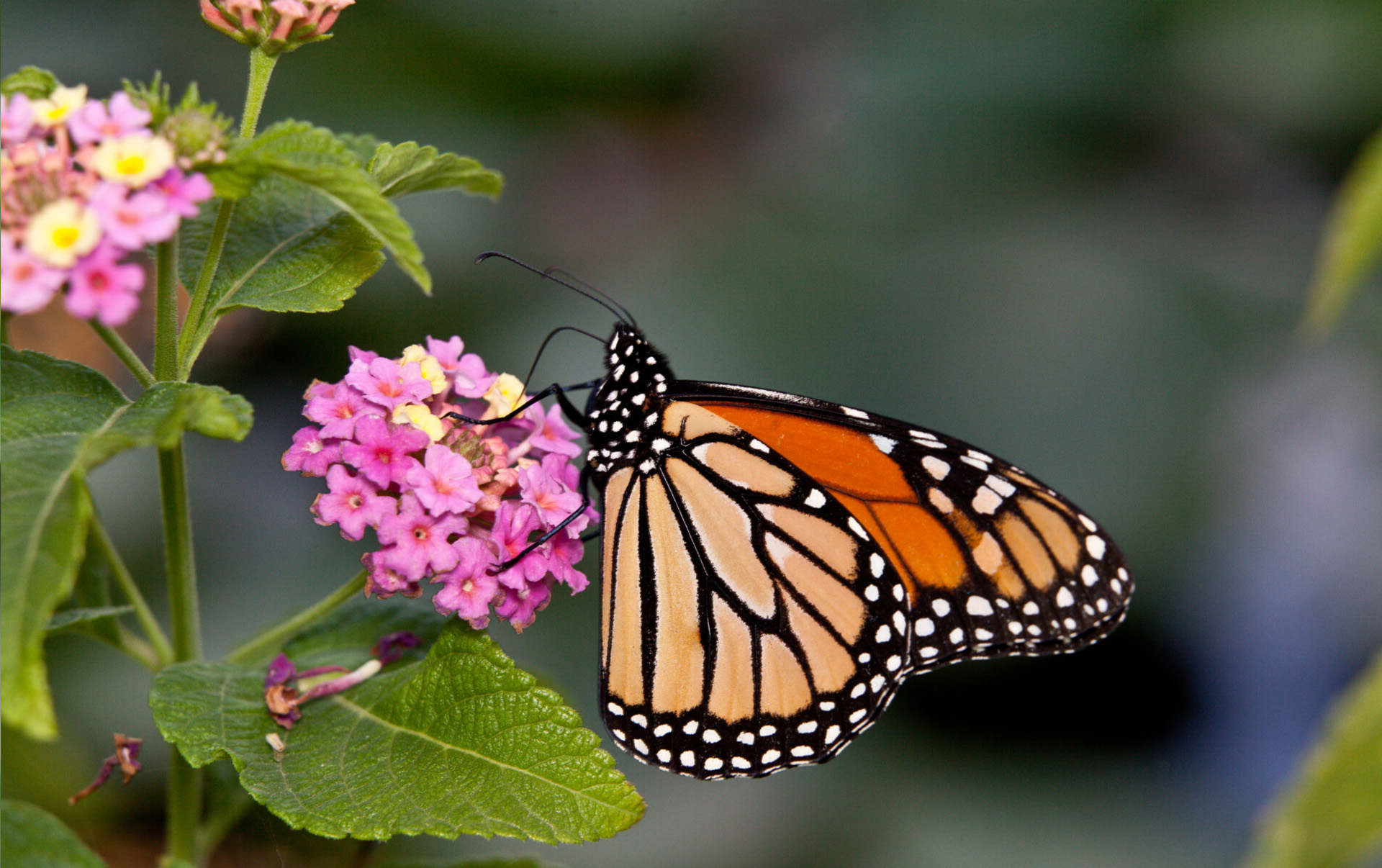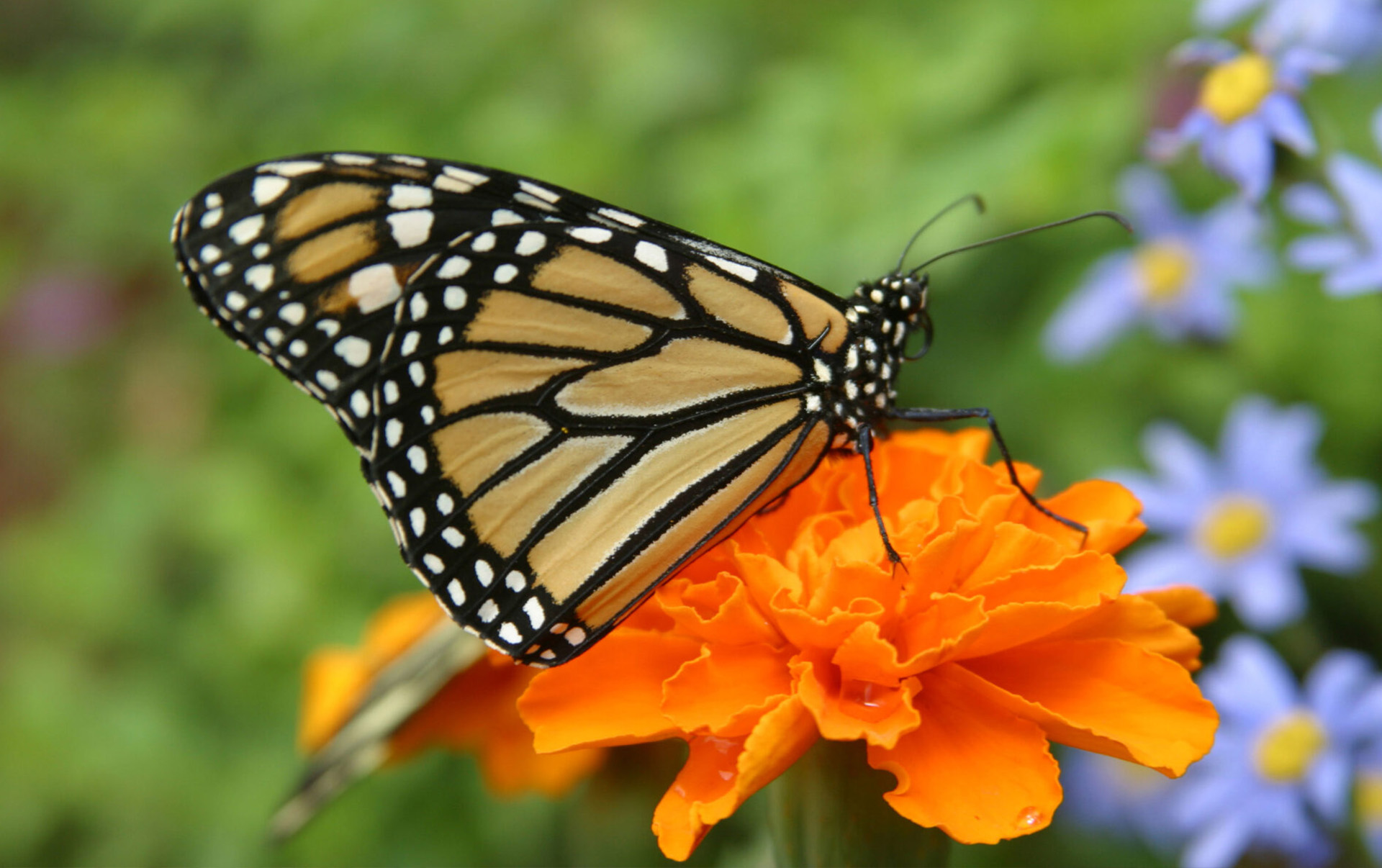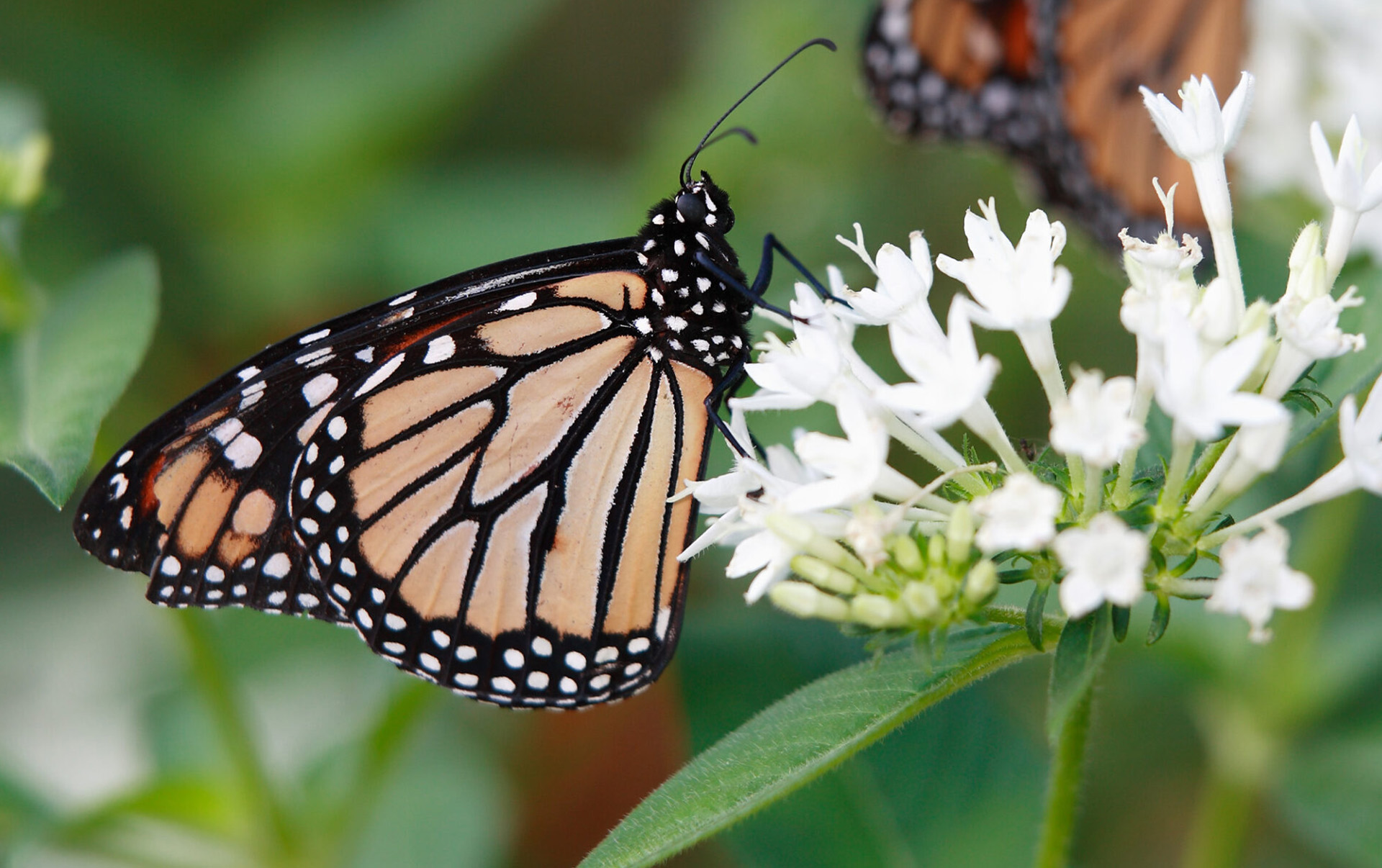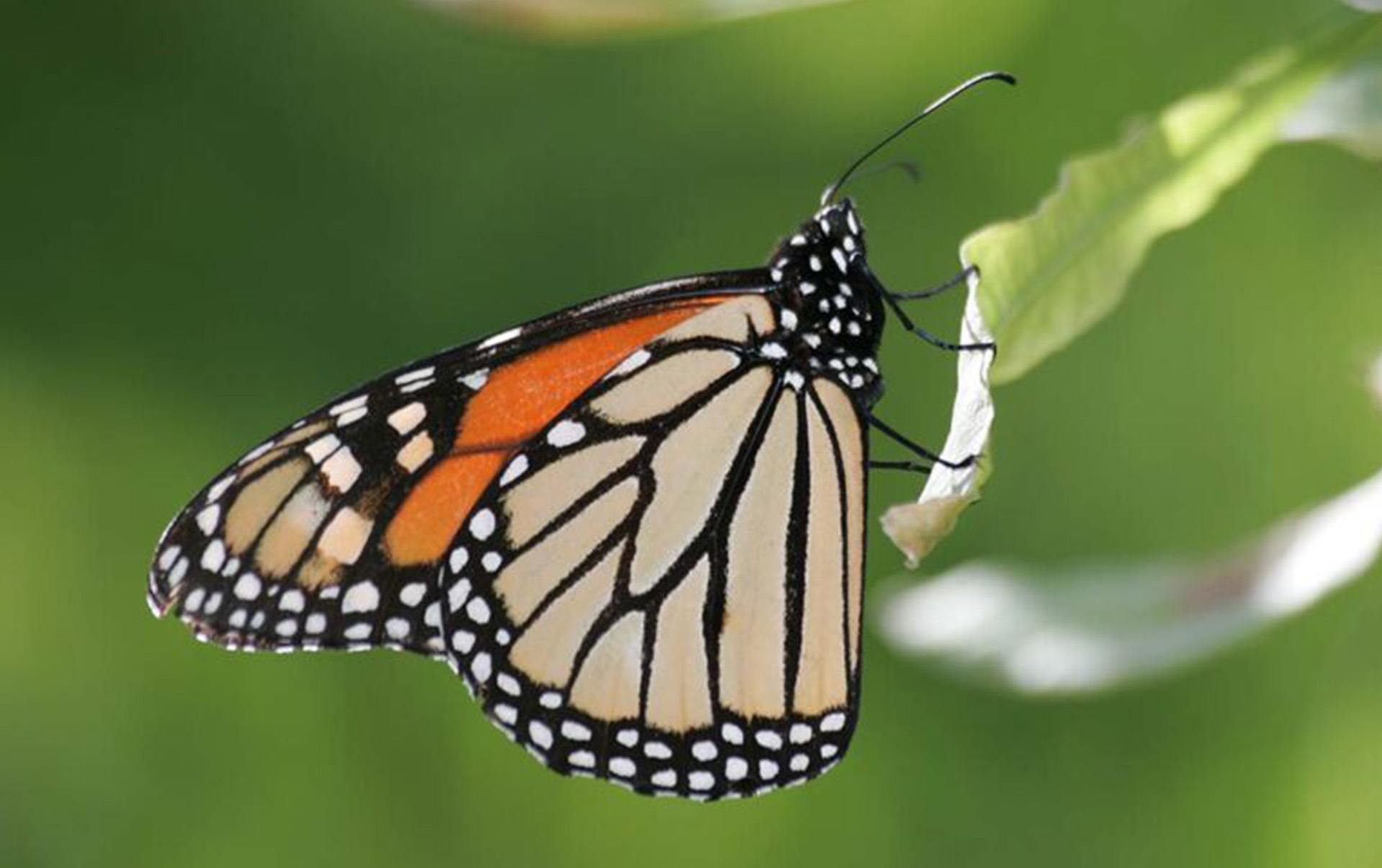
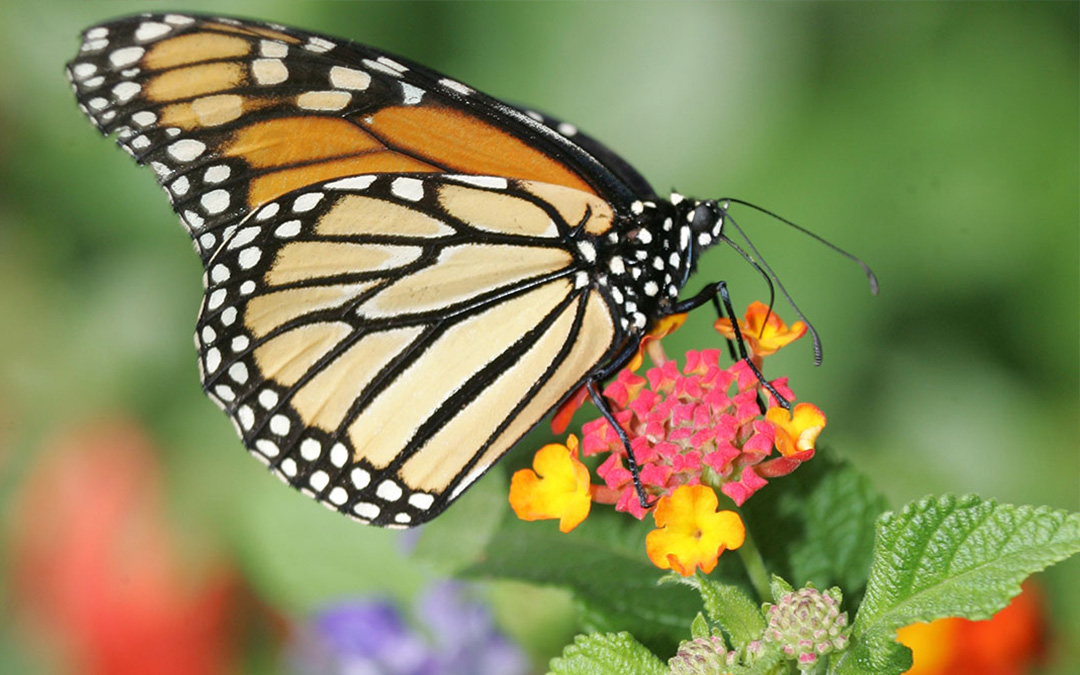
Each winter, monarch butterflies make a magnificent migratory journey to avoid freezing temperatures and spend the winter in temperate locations. The most well-known and largest of these overwintering sites for monarchs occur on the coast of California and in central Mexico, in the state of Michoacán.
This winter once again saw low monarch butterfly numbers at overwintering sites on the coast of California. Between Nov. 15 and Dec. 7 12,260 butterflies were counted across 249 sites along the coast, making this the third lowest count since monitoring started in 1997, following a low count of 9,119 butterflies in 2024.
Due to the much greater number of butterflies at overwintering sites in Michoacán, butterflies are measured in hectares (1 hectare equals about 2.5 acres). Monarch butterflies occupied 2.93 hectares this winter, representing a 64% increase from the previous winter’s count, but still occupying less than 50% of the area recommended to maintain a sustainable population.
Generally, monarch butterflies that live and breed east of the Rocky Mountains travel to overwintering sites in Michoacán, while butterflies living and breeding west of the Rocky Mountains travel to overwintering sites on the coast of California. We know monarch butterflies in Arizona travel to both California and Mexico for the winter, and some even stay here in the low deserts of Phoenix and Tucson, which means conservation action in Arizona is important and wide-reaching in its impact. You can generally see monarch butterflies at Desert Botanical Garden September through May.
This year, Desert Botanical Garden is proud to be celebrating the 10-year anniversary of our monarch and pollinator conservation initiative, Great Milkweed Grow Out.
Since 2016, we have worked to provide critical habitat for monarch butterflies and other insects, conduct research, and share information with the public. Despite declining monarch butterfly numbers, there is hope! Insects, including monarchs, have fast breeding and generation times, meaning that if conditions are right and critical habitat exists, monarch butterfly populations can quickly grow.
Explore the work being done by the Great Milkweed Grow Out program and join the Garden as we continue to learn more about monarch butterfly behavior in Arizona by participating in our community science program, Desert Refuge.