UPCOMING EVENTS & EXHIBITS IN PHOENIX
Light Bloom
Oct 12, 2024 - Jan 20, 2025
LIGHT BLOOM by HYBYCOZO is a limited-time exhibit where nature and light converge. This mesmerizing display invites you to explore the Garden transformed by stunning geometric light installations that illuminate the beauty of the desert landscape in a new way.
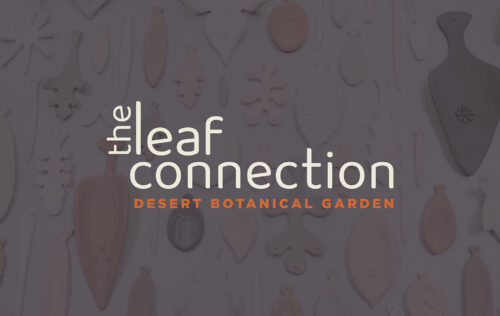
The Leaf Connection
Now through Aug. 24, 2025
The Leaf Connection showcases the vibrant plant diversity of the Phoenix metro area through an intricate display of hand-made, ceramic leaves at Webster Center. With more than 1,000 ceramic pieces, each leaf’s design is influenced by observations community scientists record on iNaturalist, an established online platform where nature lovers share information on biodiversity.
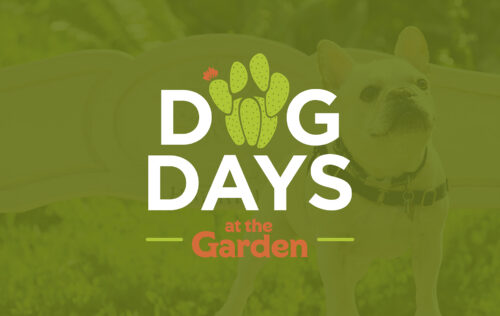
Dog Days at the Garden
Nov. 23
Grab your pup and a leash and hit the trails Saturday mornings. Expect a day of nature-filled adventure and irresistible photo moments.
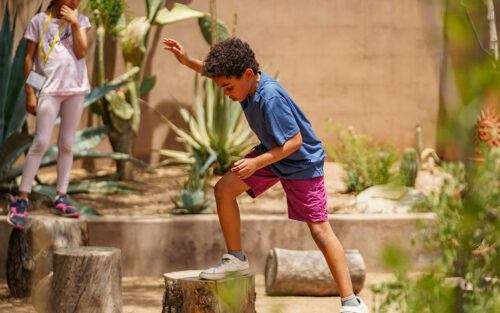
Cactus Clubhouse
Oct. 3 - May 11 | Thursday - Sunday
Cactus Clubhouse is a fun and immersive nature play space for kids 12 and younger. Kids can engage in activities that spark their curiosity for nature and encourage exploration.

Sunrise Yoga
Nov. 24
Start your day connecting with nature during this memorable Sunrise Yoga session, led by Metta Yoga.
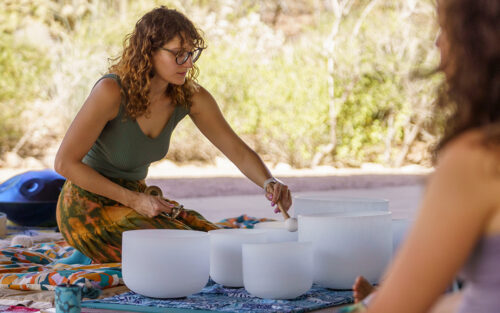
Morning Sound Meditation
Sundays, Nov. 24; Dec. 1, 8, 15; Jan. 19, 26; Feb. 2, 16
Let the soothing melodies of singing bowls and gongs transport you to a state of pure relaxation and meditation.
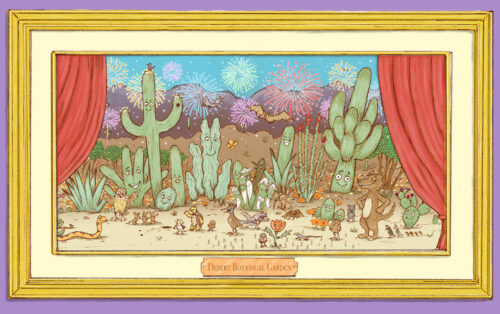
Book Launch: "Sonoran Desert's Got Magic!"
Nov. 24
Come celebrate the magic of the Sonoran Desert, with the newest children’s book “Sonoran Desert’s Got Magic!”.
Las Noches De Las Luminarias
Nov 29-30, Dec 1, Dec 6-7, 13-15, 18-23, 26-30

Music in the Garden
Nov. 22
Let the rhythms of the season take hold at Music in the Garden. Our concert series is set against the backdrop of our vibrant Garden on select Friday evenings. Be it jazz, blues or contemporary, every concert promises an unforgettable evening.
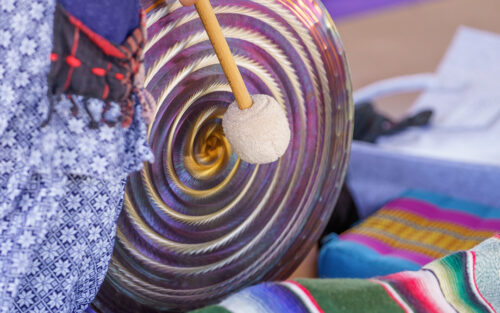
Sundown Sound Meditation
Wednesdays, Dec. 4, 11; Jan. 8, 22; Feb. 12, 19
Experience sound meditation at the Garden in a peaceful sundown setting under twinkling lights.

Sunset Yoga
Thursdays | Dec. 5, 12; Jan. 9, 30; Feb. 6, 13, 27
Unwind and connect with nature during this memorable Sunset Yoga session, led by Metta Yoga.
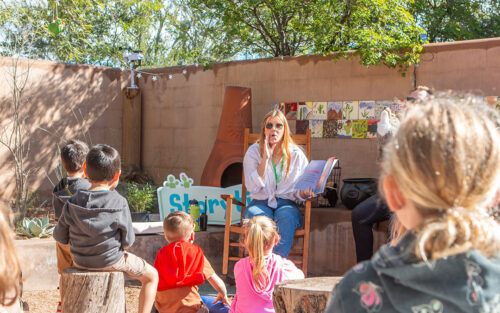
Storytime
Nov. 22, Dec. 6, 20
Join Desert Botanical Garden for Storytime. Introduce your child five and younger to the beauty and wonder of nature through engaging books, songs, activities and play.

Dog Days at the Garden
Jan. 4, 11, 18, 25 | Feb. 1, 8, 15 | March 1, 8, 15, 22, 29 | April 5, 12, 19 | May 3, 10
Enjoy a weekend excursion with your four-legged friend through the Garden’s trails. A paw-fect place to enjoy the outdoors together with some great photo opps.

Seedlings
Jan. 8, 15, 22, 29
Children 3-5 and caretakers experience the wonder of nature through hands-on lessons that teach kids and adults how to splash, dig, climb and explore together through nature play concepts.
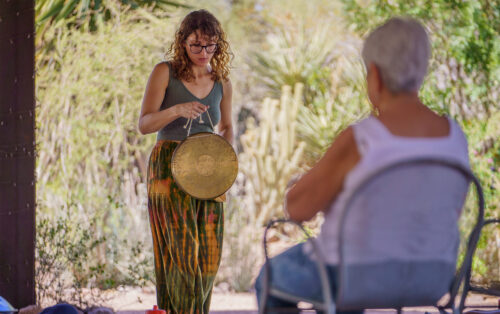
Desert Sol
Jan. 14, Feb. 9, March 31, April 22, May 13
Immerse yourself in the healing power of nature through a variety of cultural and restoring traditions from around the world.
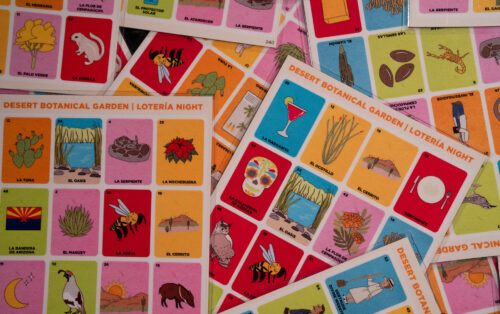
Lotería Nights
Jan. 16, Feb. 13, March 13, April 10
Join us for an epic lotería experience. Soak in the vibrant environment and claim amazing rewards as we play several rounds of the iconic Mexican game of chance.
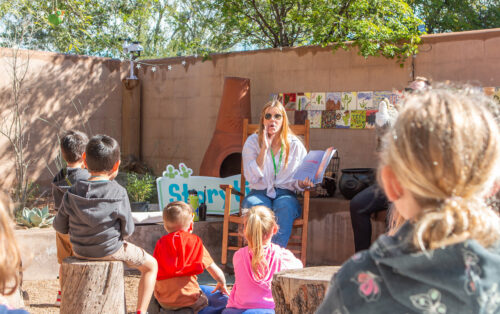
Storytime
Jan. 17, 18, 24, 26 | Feb. 7, 9, 14, 16 | March 7, 9, 28, 30 | April 4, 6, 25, 27 | May 2, 4, 16, 18
Introduce your child five and younger to the beauty and wonder of nature through engaging books, songs, activities and play.
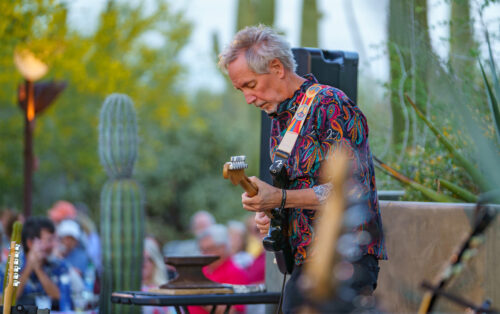
Music in the Garden
Jan. 24, 31 | Feb. 7, 14, 28 | March 7, 14, 28 | April 4, 11, 18 | May 2, 9, 16, 23, 30
Enjoy a stunning Garden backdrop as you experience local bands during this Friday’s night series.
Read Between the Spines: Author Series
Jan. 29
“Sonoran Desert’s Got Magic!”, a new children’s book published by Desert Botanical Garden by authors Pam Hait and Martha Hunter Henderson and illustrated by Michael Hale was written and published in honor of Desert Botanical Garden’s 85th anniversary.
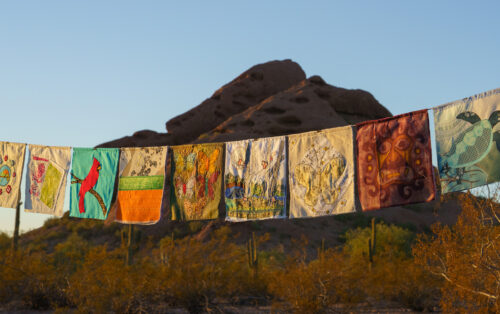
Toward 2050
Feb. 8 - June 1
Explore an engaging exhibit led by textile-based artist Ann Morton, centered on social practice. TOWARD 2050 invites the public to craft handmade artworks that expresses their views on the environment.

Vines and Finds
Feb. 15 - 16
Enjoy a wine tasting experience featuring local and regional wines while you wander the Garden’s trails.
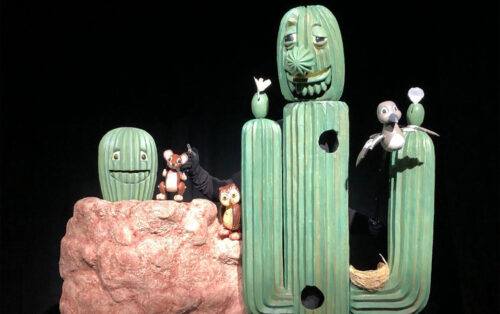
The Great Arizona Puppet Theater
Feb. 17 | May 11
The Great Arizona Puppet Theater will be coming to the desert this year! Create a wonderful day at the Desert Botanical Garden. Enjoy an award-winning puppet show and spend time exploring our trails and the Cactus Clubhouse—our special play area for children and caregivers.

Devour Culinary Classic
Feb. 22 & 23
Local First Arizona’s 17th annual Devour Culinary Classic, the most anticipated tasting event of the year, will impress even the most skeptical of diners with its luscious eclectic fare Feb. 22-23, 2025.
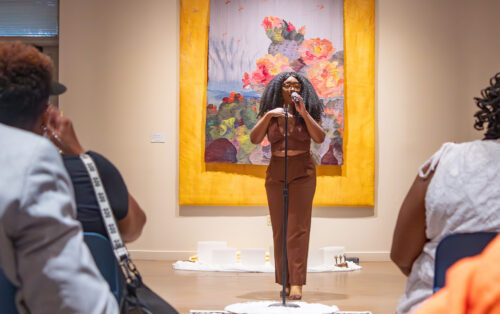
Centered.
Feb. 27
Desert Botanical Garden will host an evening celebrating the impact of Historically Black Colleges and Universities (HBCUs) in shaping Black history and culture.
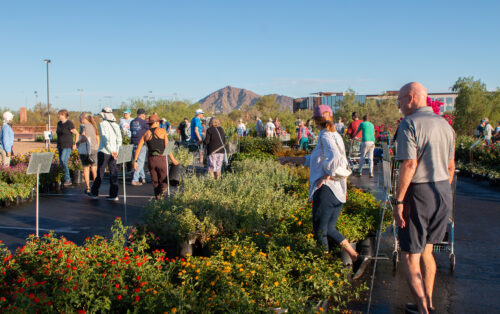
Spring Plant Sale
March 13-16
Bring the magic of the desert into your garden or green space. Explore our expansive collection of 30,000 desert-adapted plants at the Spring Plant Sale. Expert advice and a picturesque outdoor shopping experience await.
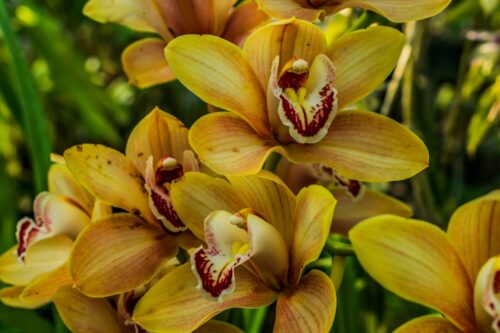
Orchid Fever
March 15 - May 11
The Garden presents its first-ever orchid exhibit, showcasing colorful blooms, delightful scents and wild textures that engage all the senses.
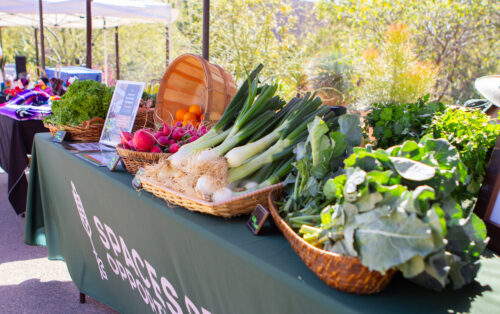
Spaces of Opportunity Day
March 21
The Spaces of Opportunity Farmers Market returns to the Garden! The daytime market will be held in Boppart Courtyard. Check out the produce, crafts and other items for sale.
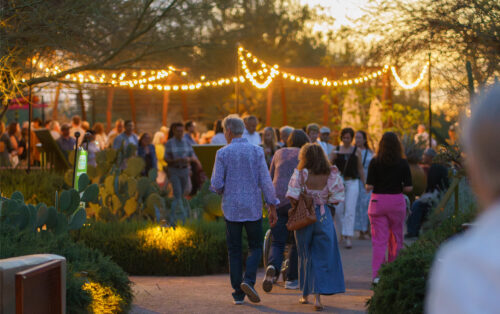
Fund the Farm Celebration
March 21
Fund the Farm celebration is a festive party helping grow Spaces of Opportunity! Enjoy local drinks and bites from some of the Valley’s best caterers and enjoy musical entertainment as you stroll the Garden.

Saguaro & Skate
April 5, 6, 12, 13
Get your groove on in this outdoor roller disco! Skates provided. Must be five and older to skate.
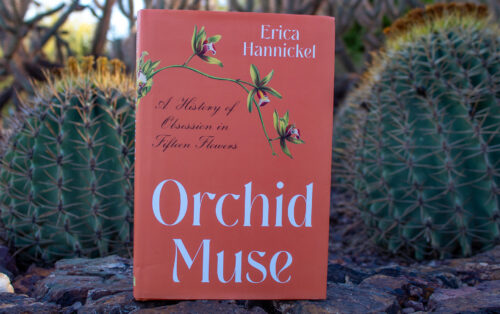
Read Between the Spines: Author Series
April 12
Alongside a special orchid exhibit in our new Exhibits Gallery, Erica Hannickel will deliver a special talk on orchids and the role they have played inspiring freedom throughout history.
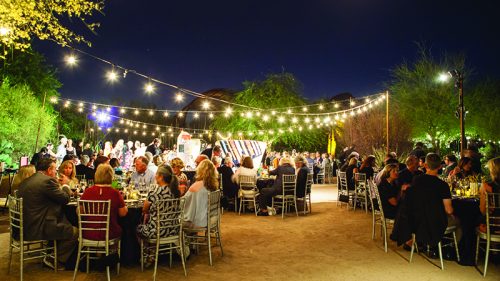
Dinner on the Desert 2025
April 26
Get ready to celebrate the 39th Annual Dinner on the Desert—an evening filled with everything that makes Desert Botanical Garden extraordinary!

Mother's Day
May 11
Celebrate the moms in your life with a botanical good time! The Garden will offer a day to remember with complimentary photo opps, live entertainment, the Spring Butterfly Exhibit and more!
Desert Pulse
October 2025 - May 2026
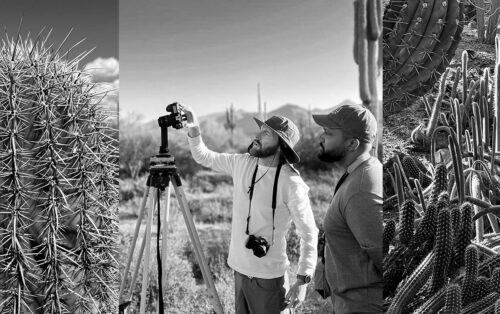
Desert Botanical Garden is embarking on a new partnership with London-based pioneering artist studio ScanLAB Projects, bringing its groundbreaking visual and technical artwork here in 2025. The exhibit will be a first-of-its-kind in the Valley to connect science and nature at this scale in both indoor and outdoor environments.
