
DPEL
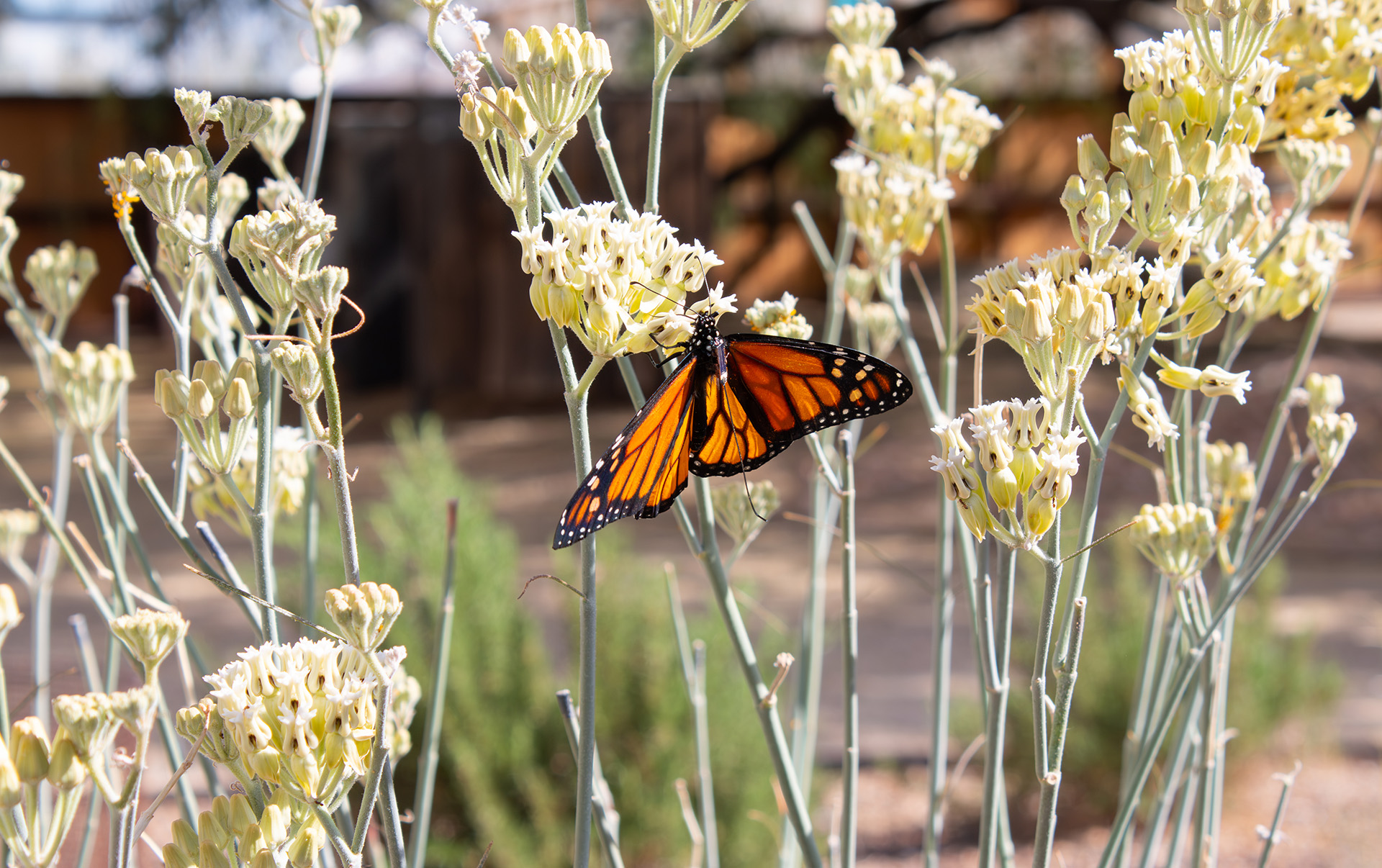
Butterflies and Milkweed in the Face of Climate Change
Riparian forests are among the most threatened in North America as a consequence of altered hydrological conditions, invasive species and climate change. The Dryland Plant Ecophysiology Lab seeks to identify tree ecophysiological traits that underlie adaptation to heat waves, drought, herbivory and other stressors. Our research is providing critical information for practitioners to restore and conserve dryland riparian forests under current and future environmental conditions.
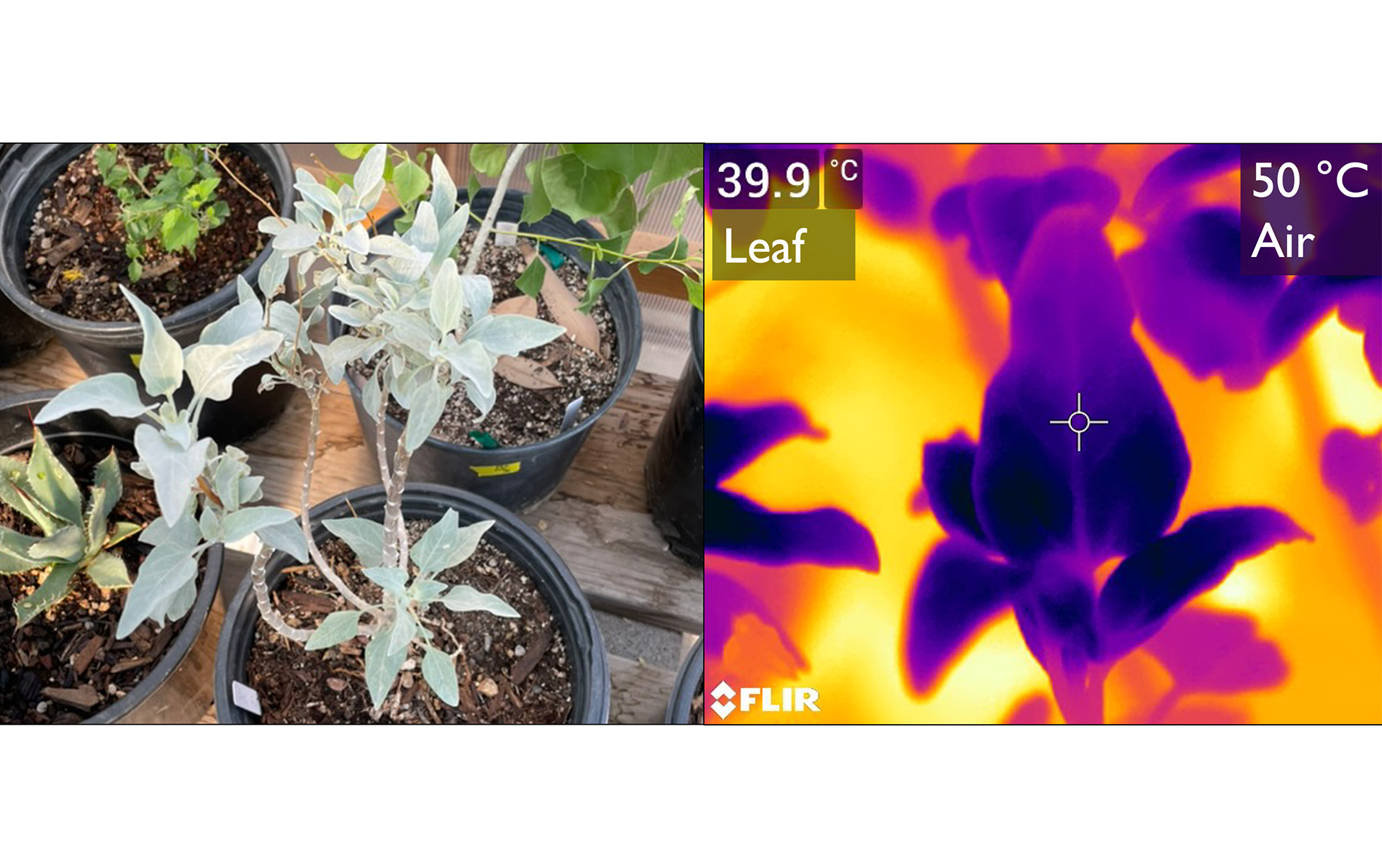
Plant responses to heat stress
Water loss in plants has commonly been considered only as a cost of photosynthetic carbon gain. However, plants may use water in ways that may not necessarily optimize instantaneous carbon gain, but instead as a strategy for leaf evaporative cooling. The Dryland Plant Ecophysiology Lab and collaborators are assessing whether plant water use is not always a side-effect of carbon gain, but rather an active strategy to optimize leaf temperature to cope with thermal stress that is becoming more common with climate change.
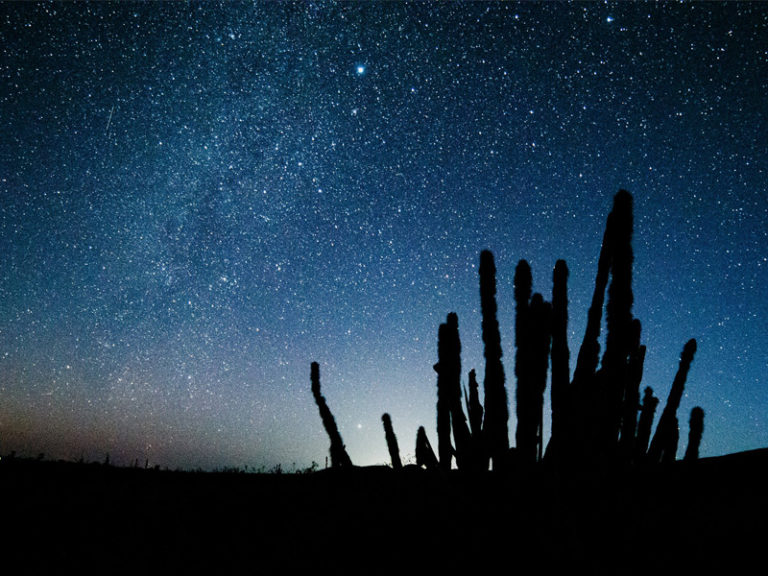
The distinctive form and function of giant cactus
Giant cactus are among the most charismatic and iconic plant life forms on the planet, but many giant cactus species are threatened by the effects of climate change. The Dryland Plant Ecophysiology Lab and colleagues study the distinctive physiological features of giant cactus to better understand how they cope with long-term exposure to drought and heatwaves. A wide range of investigative tools are used to evaluate how these desert sentinels function and survive under stressful climate conditions.
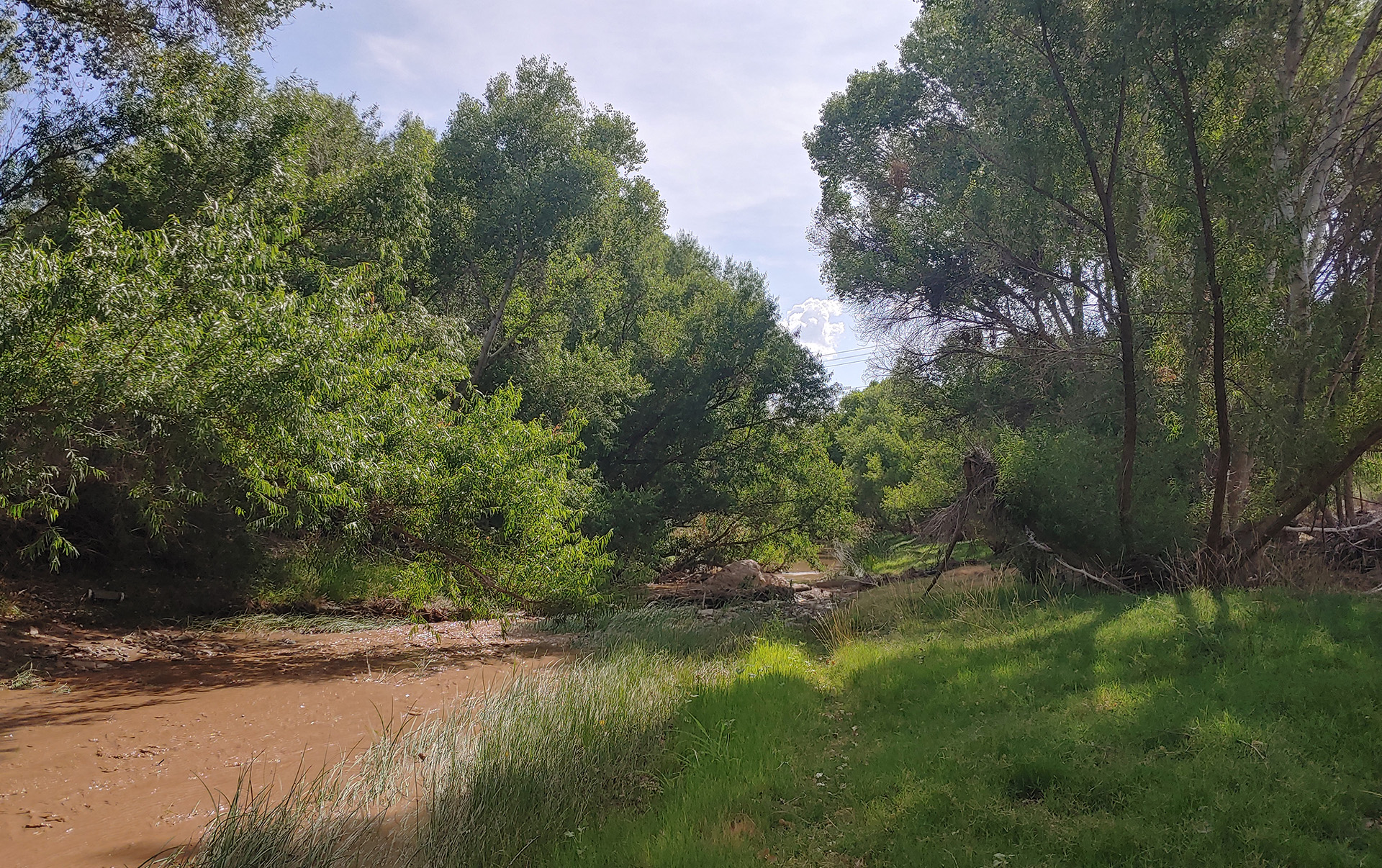
Tree ecophysiology in dryland riparian ecosystems
Riparian forests are among the most threatened in North America as a consequence of altered hydrological conditions, invasive species and climate change.
