Researching the Desert. Shaping Its Future.
From protecting biodiversity to testing climate-ready plants and restoring desert ecosystems, our scientists turn research into solutions for the future of deserts.
Science In Action
See what our researchers are working on today.
Saguaro Research & Propagation
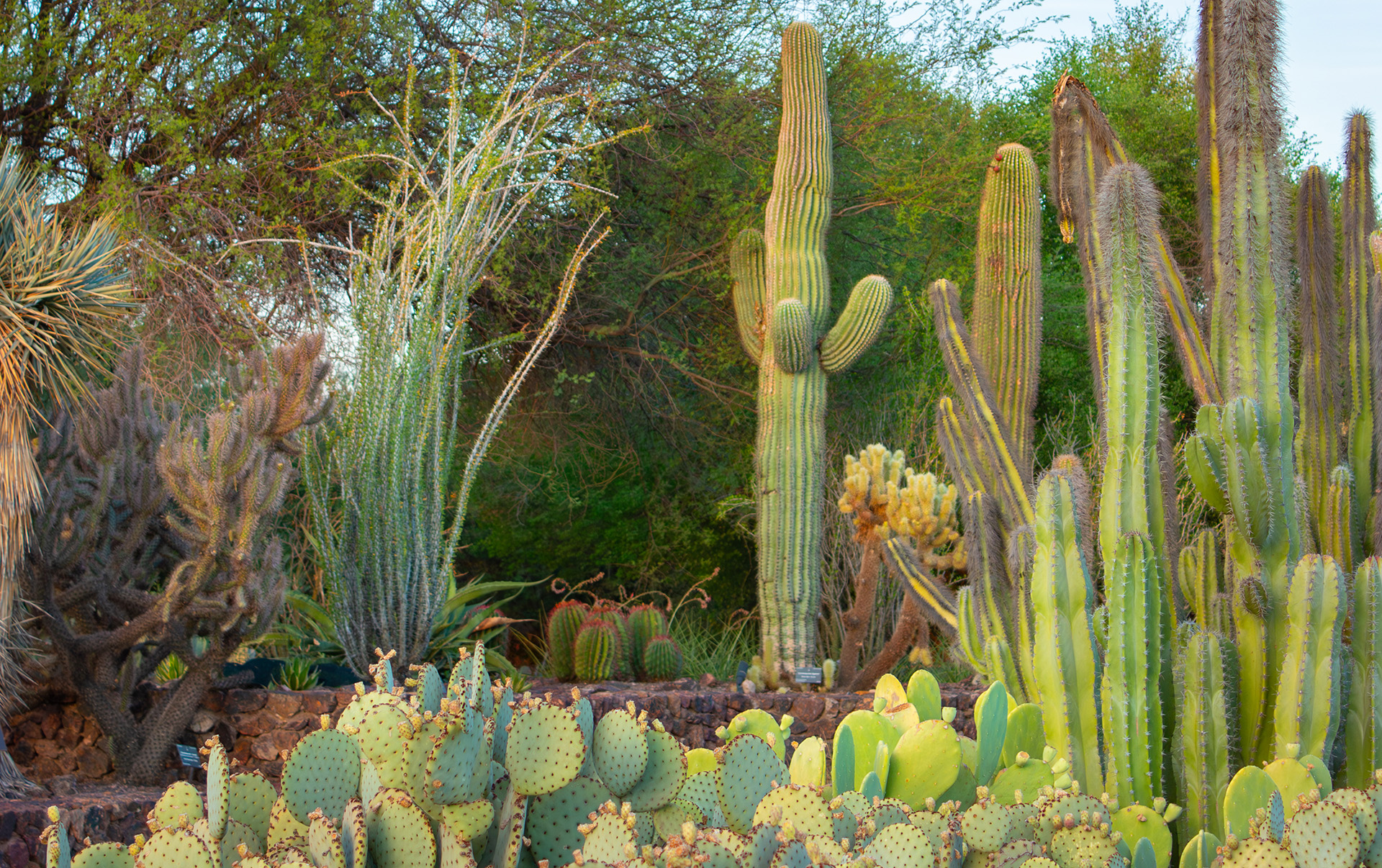
We study the health and future of the Sonoran Desert’s iconic saguaro through community science, stress monitoring, genetics, and conservation research. Together, initiatives including the Saguaro Census, Saguaro Adoption Program, Saguaro Seed Bank and more help us understand how to protect them for generations to come.
Desert Plants in a Changing Climate
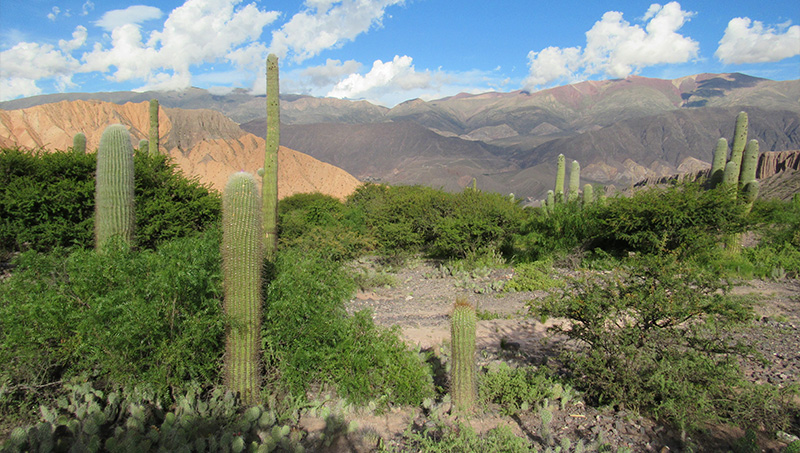
From our living collections to field sites across the desert, Garden scientists study how desert plants of all sizes respond to extreme heat, drought and other environmental stressors. This research is helping identify the traits and species most likely to thrive in a hotter, drier future. Our Dryland Plant Ecophysiology Lab supports this work.
Rare Plants & Biodiversity Support
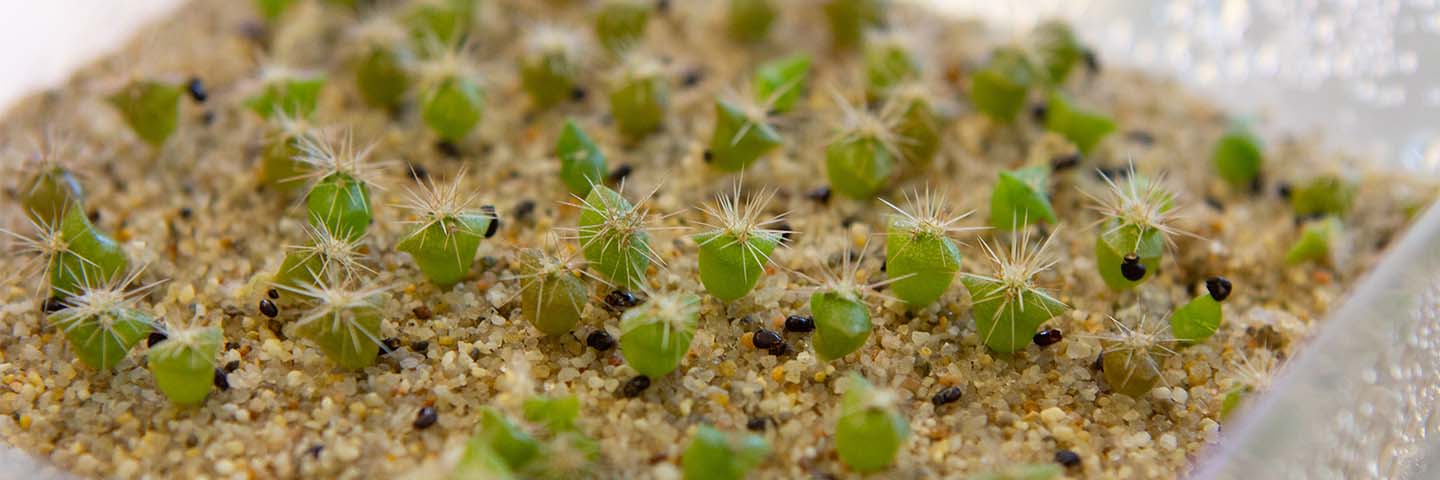
Our scientists document and protect desert plant diversity through field exploration, genetics, seed banking, propagation and long-term conservation. The Garden’s herbarium, seed collections and living collections preserve an irreplaceable record of plant diversity while providing material for research today and into the future.
Climate-Ready Plants & Landscapes
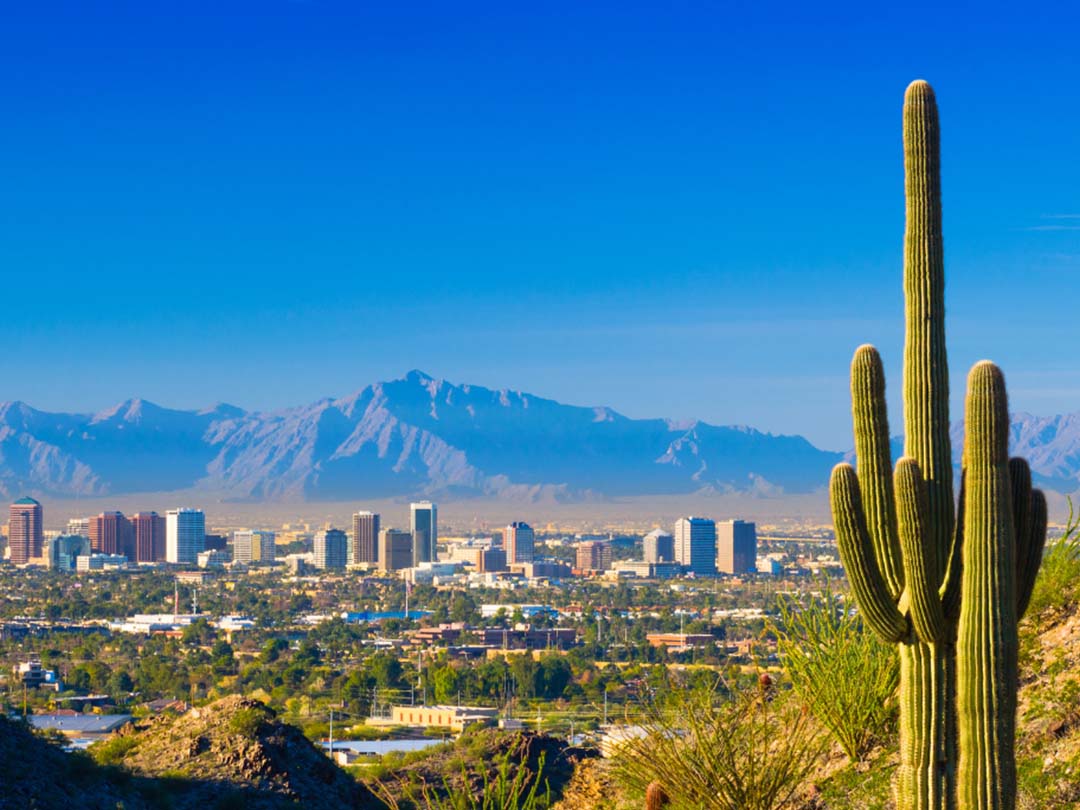
Drawing on decades of horticultural expertise, living collections and plant research, we are exploring which desert-adapted plants and landscape approaches can create cooler, more resilient and water-wise communities. This work is increasingly connecting plant science with the challenges facing desert cities like Phoenix.
Pollinators & Ecological Relationships
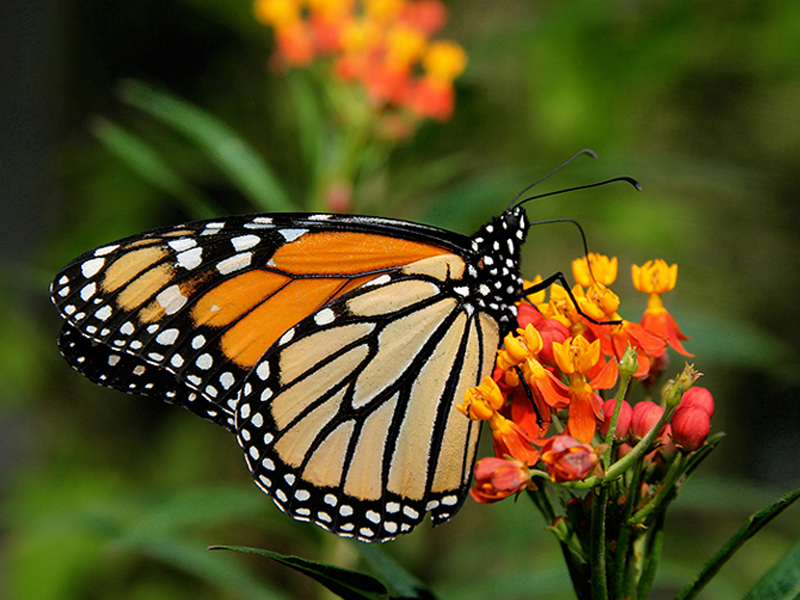
We study the relationships among plants, butterflies and other pollinators to better understand how desert ecosystems function and what they need to remain healthy. Research, living collections and initiatives such as milkweed conservation help translate that knowledge into stronger habitat both inside and beyond the Garden.
Sonoran Desert Restoration
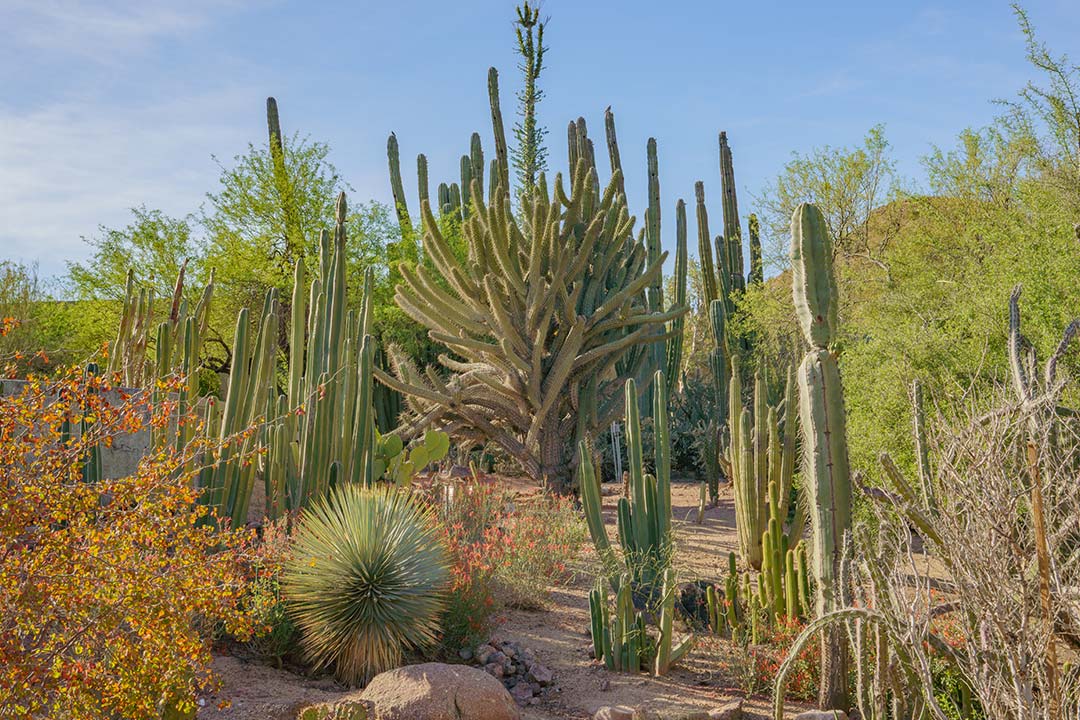
We study how native plant communities recover and how science can accelerate that recovery following wildfire, invasive species, development and other disturbance. Seed banking, propagation, field research and partnerships help move plants from conservation collections back into functioning desert landscapes.
Our Current Efforts
A look at where our scientists are focused right now, and how each project protects the desert’s future.
Protecting Biodiversity
Desert Botanical Garden has been a global leader in desert plant research and conservation. Today, its staff collaborates with organizations across five continents to discover new plant species, protect threatened species, and address emerging threats such as climate change, illegal plant poaching, and invasive species.
The Saguaro: A Desert Icon Worth Protecting
The saguaro is one of the most recognizable symbols of the Sonoran Desert, but there is still so much we don’t know about this remarkable cactus.
Garden scientists are studying saguaros from the ground up: where they grow, how they adapt, how their genetics vary and what we can do to protect them for generations to come.
Our Saguaro Initiatives encompass Saguaro Census, Seed Bank, Saguaro Genetics and Conservation.
Saguaro Census
Through the annual Saguaro Census, the Garden invites the community to help document saguaros throughout the Phoenix metro area using the iNaturalist app. Each observation helps scientists build a clearer picture of the Valley’s saguaro population and the challenges it faces.
Saguaro Seed Bank
Garden scientists are collecting saguaro fruits to build a comprehensive seed collection representing populations and genetic diversity across the region. These seeds create a living safeguard for the species’ future.
Threatened and Endangered Plants
The Garden is studying saguaro genetics to better understand populations, diversity and resilience. That knowledge can help inform conservation strategies—not just for saguaros, but for other threatened cactus species as well.
Dryland Plant Ecophysiology Lab
Insects rely on plants for survival. Desert Botanical Garden seeks to understand how native plants support local butterfly populations. To increase impact, the Garden combines research with native propagation and outreach efforts, under the umbrella of Great Milkweed Grow Out.
Threatened and Endangered Plants
Desert Botanical Garden studies and protects the desert plants most at risk of extinction. For Threatened and Endangered plants, we collect seeds, grow new plants, and restore habitats.
Dryland Plant Ecophysiology Lab
How do plants withstand heat, drought and a changing climate? The Dryland Plant Ecophysiology Lab studies the traits that help plants survive environmental stress—and uses that knowledge to inform the restoration and conservation of dryland forests, plant communities and vulnerable species.
Research Partners
The Garden partners with organizations to extend conservation work into local neighborhoods and global networks.





Local to Global
International Union for Conservation of Nature (IUCN)
Desert Botanical Garden serves as a host institution for the IUCN SSC Cactus and Succulent Plants Specialist Group (CSSG), a partnership formed in 2017 to lead, promote, and further cactus and succulent conservation efforts worldwide. Since then, the two organizations have continued working closely on shared conservation and public education goals, from an early workshop clarifying cactus taxonomy to ongoing Red List assessment work through the Garden’s role as coordinator.
North American Orchid Conservation Center (NAOCC)
Desert Botanical Garden is a member of the North American Orchid Conservation Center, hosted by the Smithsonian Environmental Research Center. The Garden supports the center’s work to conserve native orchid species through seed banking, propagation research, and habitat restoration across North America.
Local Collaborations with Arizona State University
Desert Botanical Garden partners with ASU’s School of Life Sciences on the MS in Plant Biology and Conservation, a program covering plant sciences, quantitative skills, and human dimensions. Since 2014, more than two dozen students have graduated or are on track to graduate from the program.
Research Staff
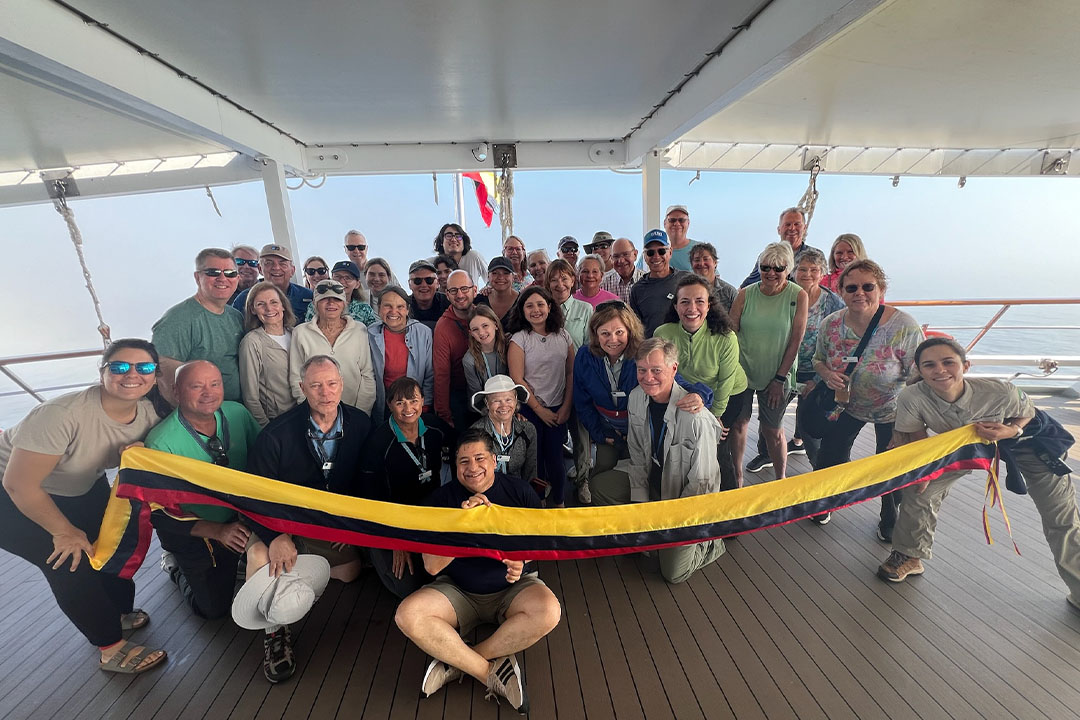
Our team of 26 scientists, researchers and conservation biologists brings decades of combined experience to protecting the desert’s future.
Our Collections
Meet the plants that make the Garden extraordinary. From giant saguaros and otherworldly cactus to rare plants fighting extinction, the Garden’s living collection is more than something to look at, it’s a living collection waiting for you to experience.
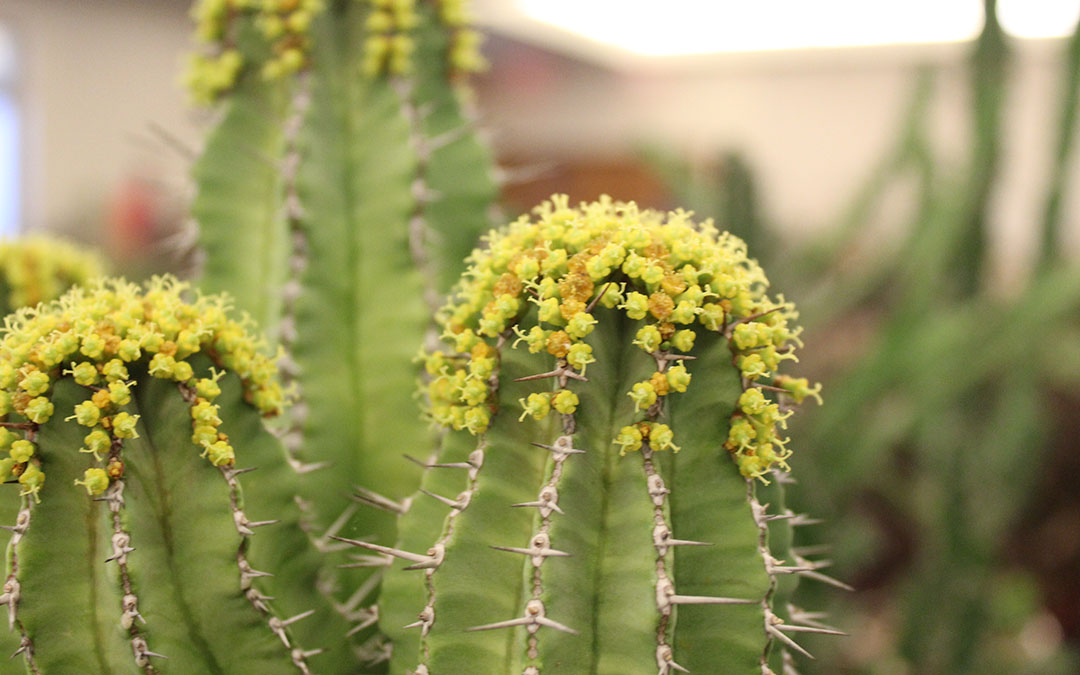
Cactus are the 5th most threatened organisms on Earth.
Habitat loss, illegal collecting, climate change and other pressures are putting cactus species at risk around the world. That makes the Garden’s collection more than an extraordinary display, but an important resource for research, conservation and protecting cactus diversity for the future.
Nearly 75% of the world’s known cactus species are represented here.
Cactaceae Collection
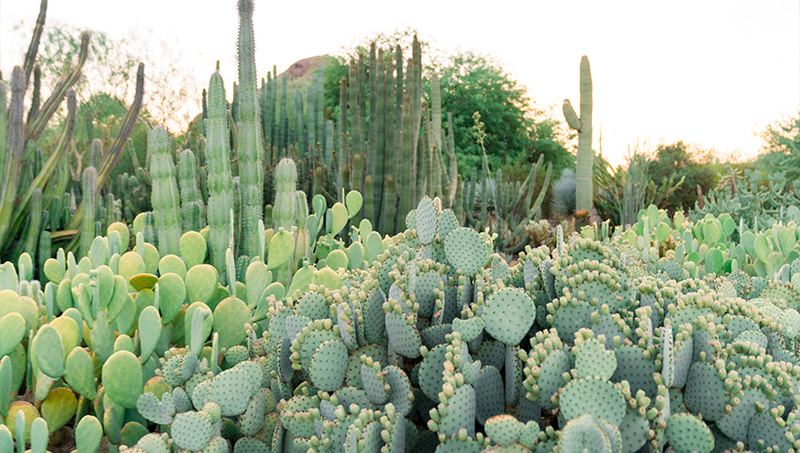
With more than 14,877 accessioned plants, the Garden is home to nearly three-quarters of all known cactus species including the world’s most complete collection of Opuntioideae. Even more remarkable, 80% of the species in our collection include plants collected in the wild, giving scientists an invaluable resource for research, conservation and education.
From Echinocereus and Mammillaria to Ferocactus, Copiapoa and Eriosyce, these aren’t just cactus on display. They’re living pieces of the world’s desert biodiversity—and a collection built to help protect it for generations to come.
The agave collection is one of the world’s standouts.
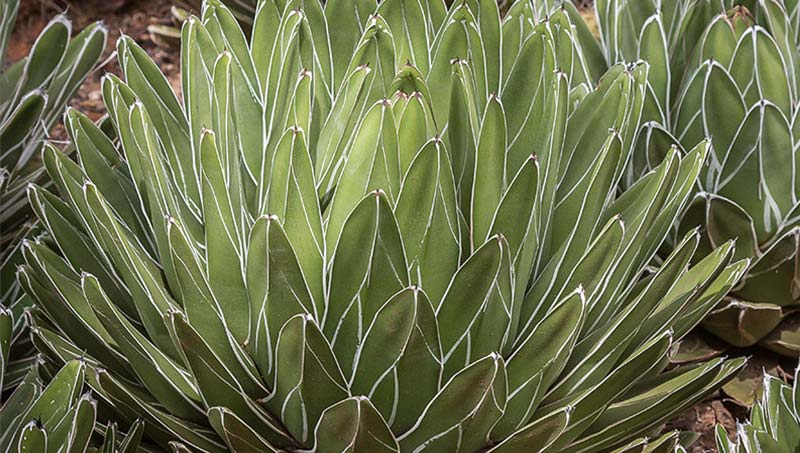
With 171 of the 286 known Agave species and varieties, the Garden is home to one of the most significant agave collections in the United States—and possibly the world. That means roughly 75% of the known Agave diversity is represented here.
And this isn’t just a collection for looking at. More than two-thirds of our agaves have known wild origins, and nearly 85% of our seeds were collected in the wild, making the collection an invaluable resource for scientific research, conservation, display and education.
Beyond Agave, the collection also includes significant representatives of Yucca, Furcraea and other remarkable members of the agave family.
Herbarium: A Botanical Time Capsule
Desert Botanical Garden Herbarium (DES) preserves more than 100,000 plant specimens, creating a permanent record of plant diversity across the Southwest and beyond. Core collections began in the 1950s, and in 1972, DES was designated a National Resource Collection.
Schilling Library
Explore 9,000+ books, 500+ journal titles, rare botanical books, art, archives and research focused on desert plants and the natural world.The library’s Special Collections include Garden history, rare books and botanical art from the 16th–19th centuries, offering a glimpse into the history of plant discovery and botanical
Research Facilities
Where plant science comes to life Behind the Garden’s trails and collections is a world of research, conservation and discovery. Across our specialized facilities, Garden scientists, researchers and volunteers are growing, studying, documenting and protecting plants many of them rare and threatened.
Hazel Hare Center for Plant Science Where plants are grown, studied and protected.
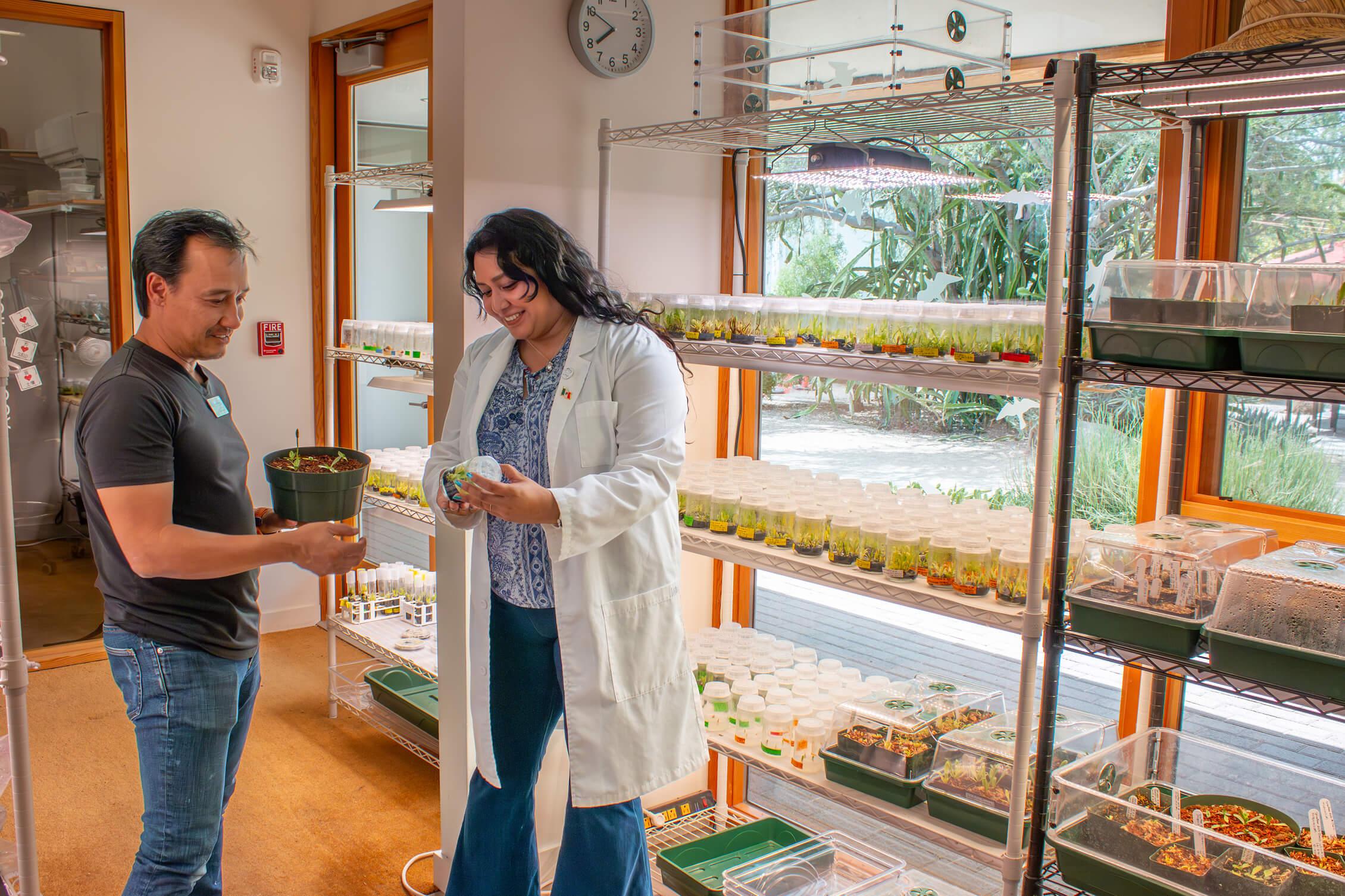
The 85,000-square-foot Hazel Hare Center is the hub of the Garden’s plant science and collections work. Here, staff, researchers and volunteers care for and study a world-class collection of desert plants, including many rare and threatened species.
Ahearn Desert Conservation Laboratory Saving seeds. Safeguarding the future.
The Ahearn Desert Conservation Laboratory is home to the Garden’s seed bank, preserving more than 4,000 accessions of some of the world’s rarest plants. The collection focuses primarily on desert plants—including cacti and agaves—and also helps conserve rare Southwest orchids through collaborations with the Smithsonian and the North American Orchid Conservation Center.
Today, the herbarium remains an invaluable resource for research, education and understanding how plant communities change over time.
Laboratory of Evolutionary and Conservation Genetics
Looking at plants from the inside out.
At the Garden’s molecular lab, researchers investigate the genetic stories behind plant evolution and conservation. Equipped with eight workstations, the lab supports students, technicians and researchers studying everything from the evolution of major plant groups, to the population genetics of individual rare plant species.
Supporting the Garden
Every visit, membership and gift helps fund the research that protects the world’s deserts.