
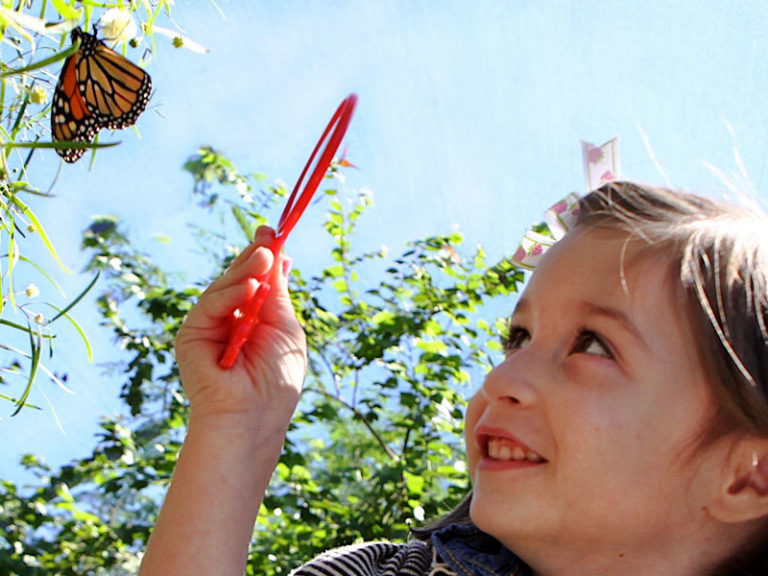
Activity | Become a ‘Bug Scientist’
Girl Power! Become an entomologist for the day. This activity is an opportunity to earn a Girl Scout patch–click here. As more women receive degrees...

Darren Chapman | A Community Pro
Meet Darren Chapman– Darren is a community pro-activist who has committed his life to helping people. He is Founder and CEO of TigerMountain...
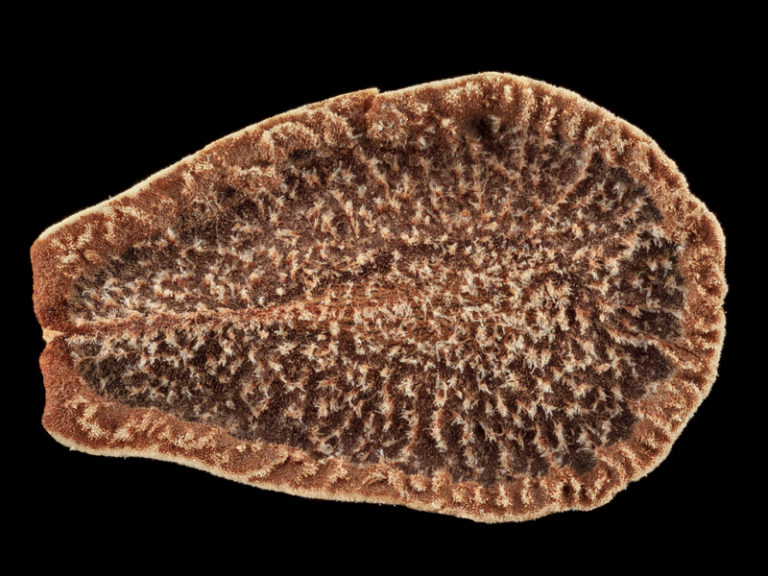
A Backstop to Extinction
This article ran in the Winter 2019 Sonoran Quarterly issue Those infatuated with the Sonoran Desert recall the allure of towering saguaros, the...
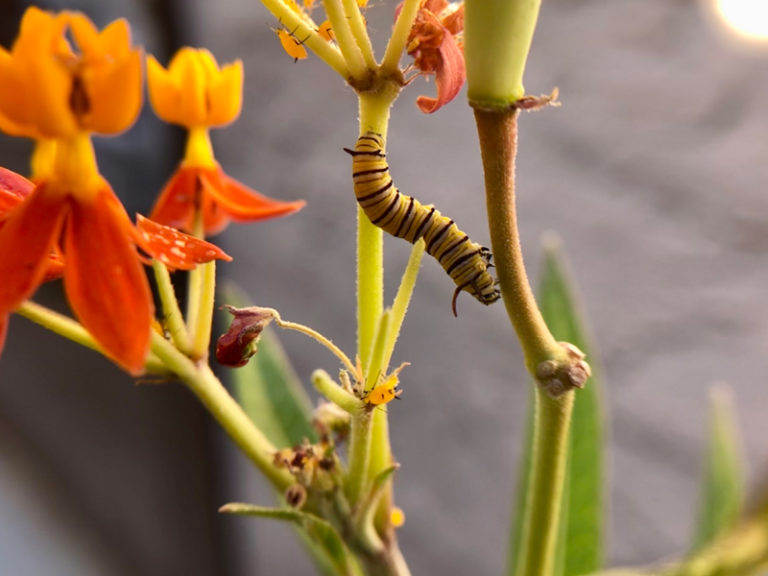
February Ecoflora Challenge | Monarchs, Milkweed and Mystery
Join the February EcoQuest: Monarchs, Milkweeds and Mystery Find and map as many monarch butterflies (Danaus plexippus) and milkweed plants...
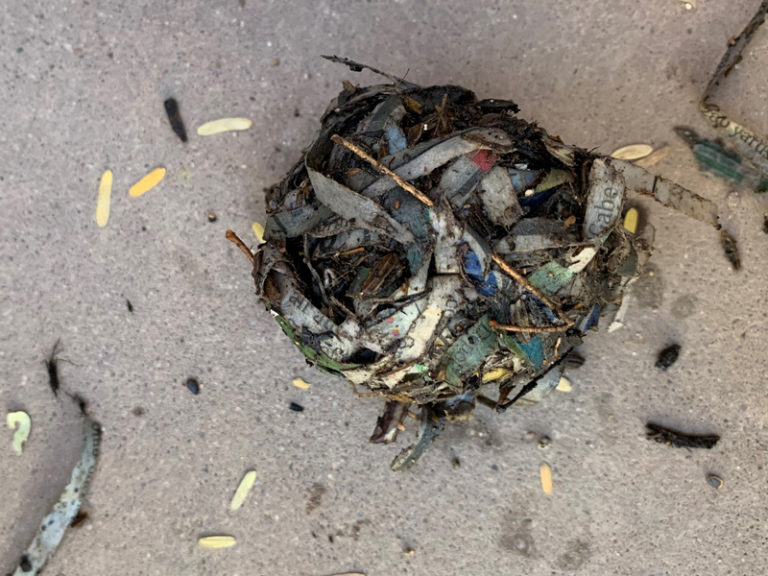
Activity | Seed Ball
Did you say seed ball? Spring is a perfect time to start or replant a garden. Gardening in the desert can be tricky and it is important to...
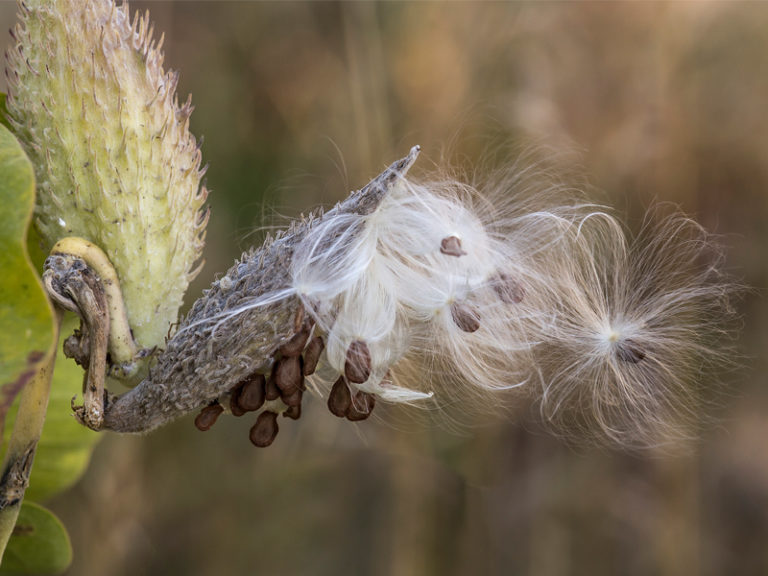
Activity | Dust storms, tumbleweeds and traveling seeds!
Windy days are part of the seasonal experience living in the Sonoran Desert. Dust storms commonly referred to as haboobs, form when a large mass of...

A Batch Made in Heaven
A Batch Made in Heaven This article first ran in Sonoran Quarterly in 2019. Take a look back at our first beer collaboration. One look at the...
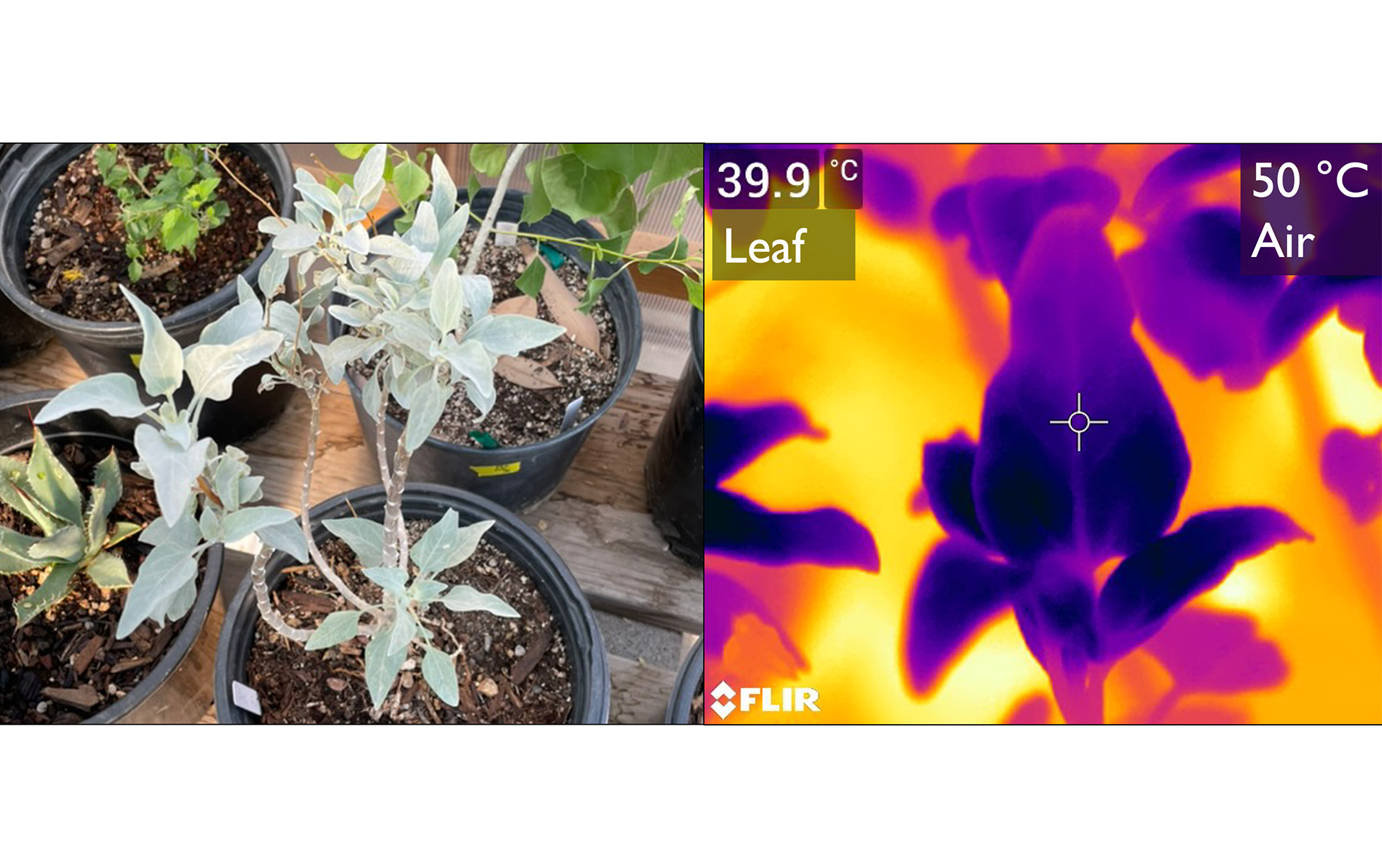
Plant responses to heat stress
Water loss in plants has commonly been considered only as a cost of photosynthetic carbon gain. However, plants may use water in ways that may not necessarily optimize instantaneous carbon gain, but instead as a strategy for leaf evaporative cooling. The Dryland Plant Ecophysiology Lab and collaborators are assessing whether plant water use is not always a side-effect of carbon gain, but rather an active strategy to optimize leaf temperature to cope with thermal stress that is becoming more common with climate change.
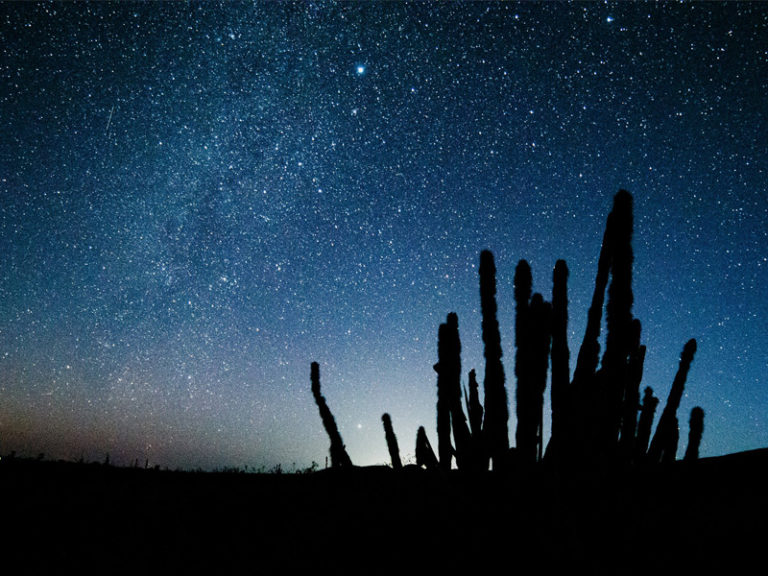
The distinctive form and function of giant cactus
Giant cactus are among the most charismatic and iconic plant life forms on the planet, but many giant cactus species are threatened by the effects of climate change. The Dryland Plant Ecophysiology Lab and colleagues study the distinctive physiological features of giant cactus to better understand how they cope with long-term exposure to drought and heatwaves. A wide range of investigative tools are used to evaluate how these desert sentinels function and survive under stressful climate conditions.
