
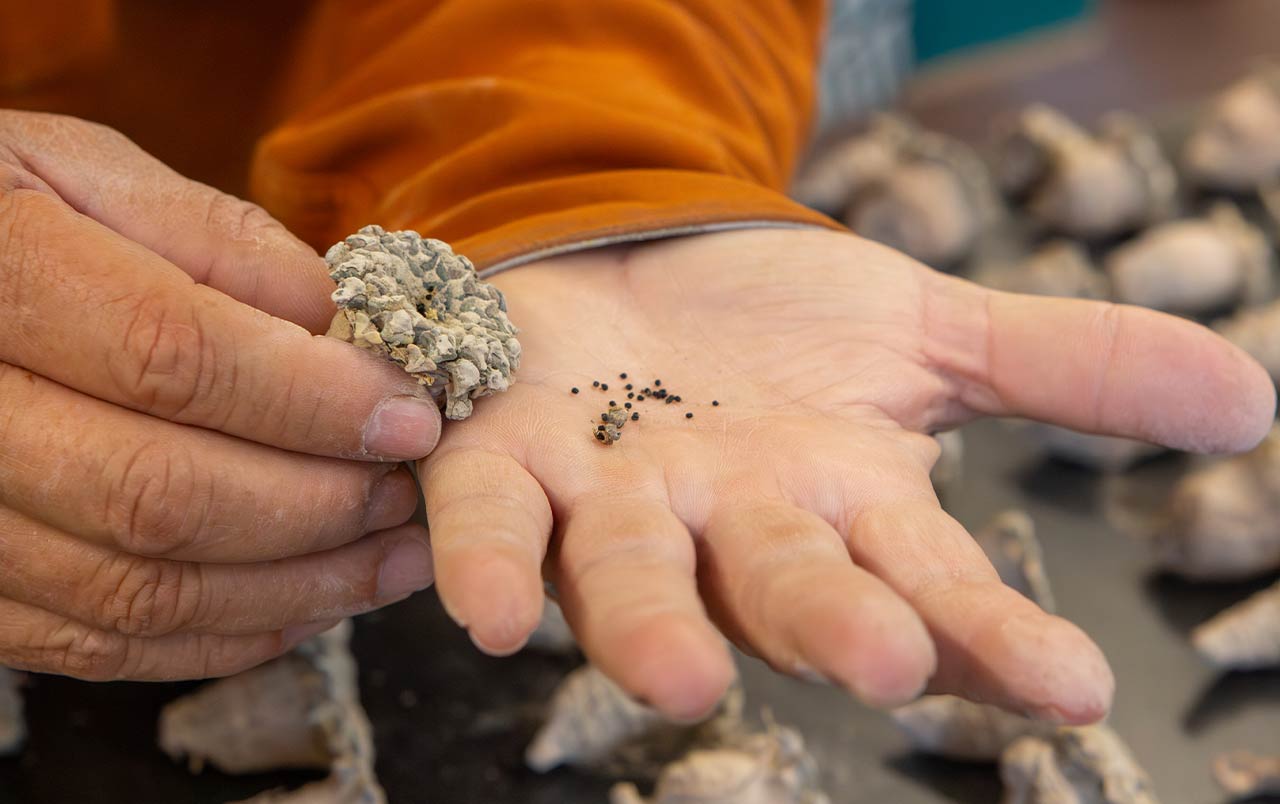
When you visit the Garden, it’s easy to be captivated by towering saguaros, colorful wildflowers and breathtaking desert landscapes. But beyond the Garden’s trails, another kind of work is taking place. In greenhouses, laboratories and labs, 26 garden scientists are working every day to protect the Sonoran Desert and prepare it for an increasingly hotter, drier future.
As changing weather reshapes desert ecosystems, the Garden’s research team is studying how native plants respond to extreme heat, prolonged drought and shifting weather patterns. Their work helps identify resilient species, preserve valuable genetic diversity and develop conservation strategies that support the long-term health of the Sonoran Desert.
The Garden is also on the front lines of protecting plants threatened by another growing challenge: illegal poaching and trafficking.
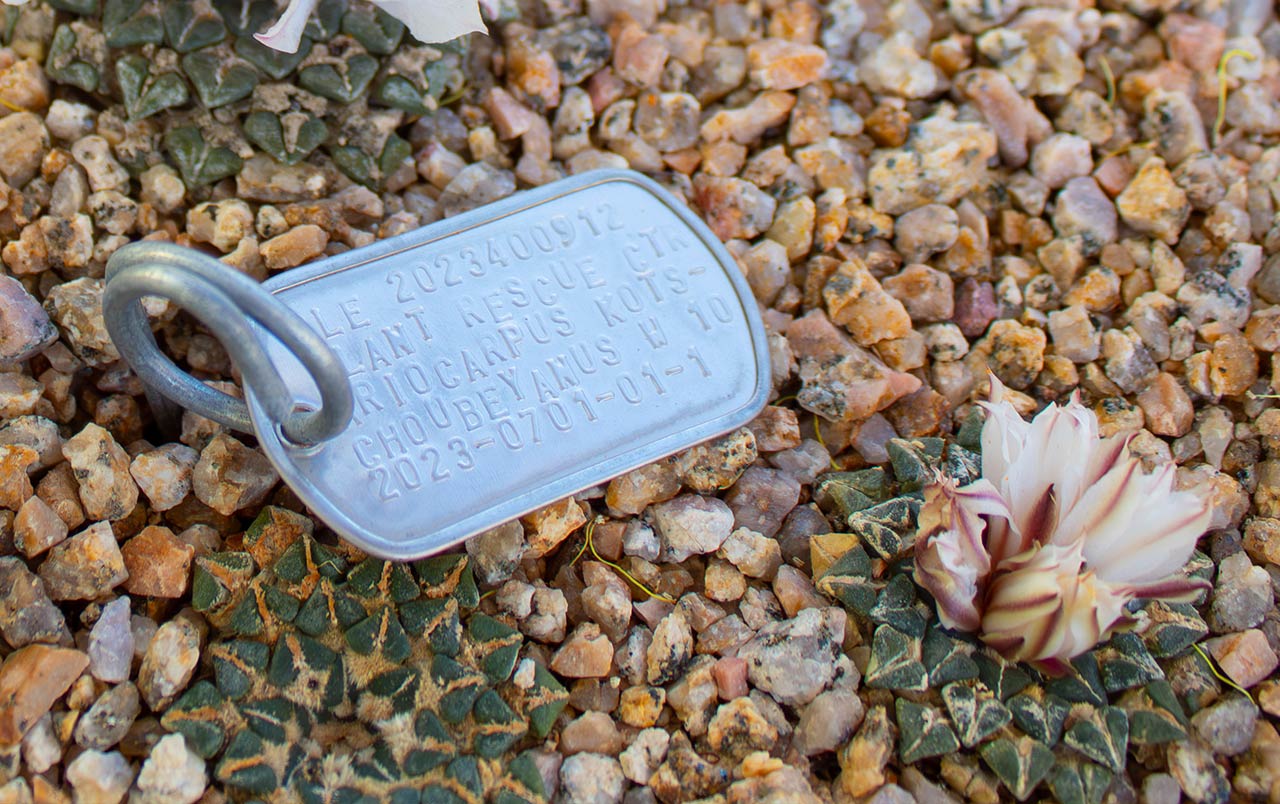
Just beyond the Garden’s trails, tucked beneath a recently built shade pavilion, sits an unassuming collection of small, star-shaped succulents nestled in propagation trays. To most visitors, they might look like ordinary cactus. But each carries a small tag with an extraordinary story: Plant Rescue.
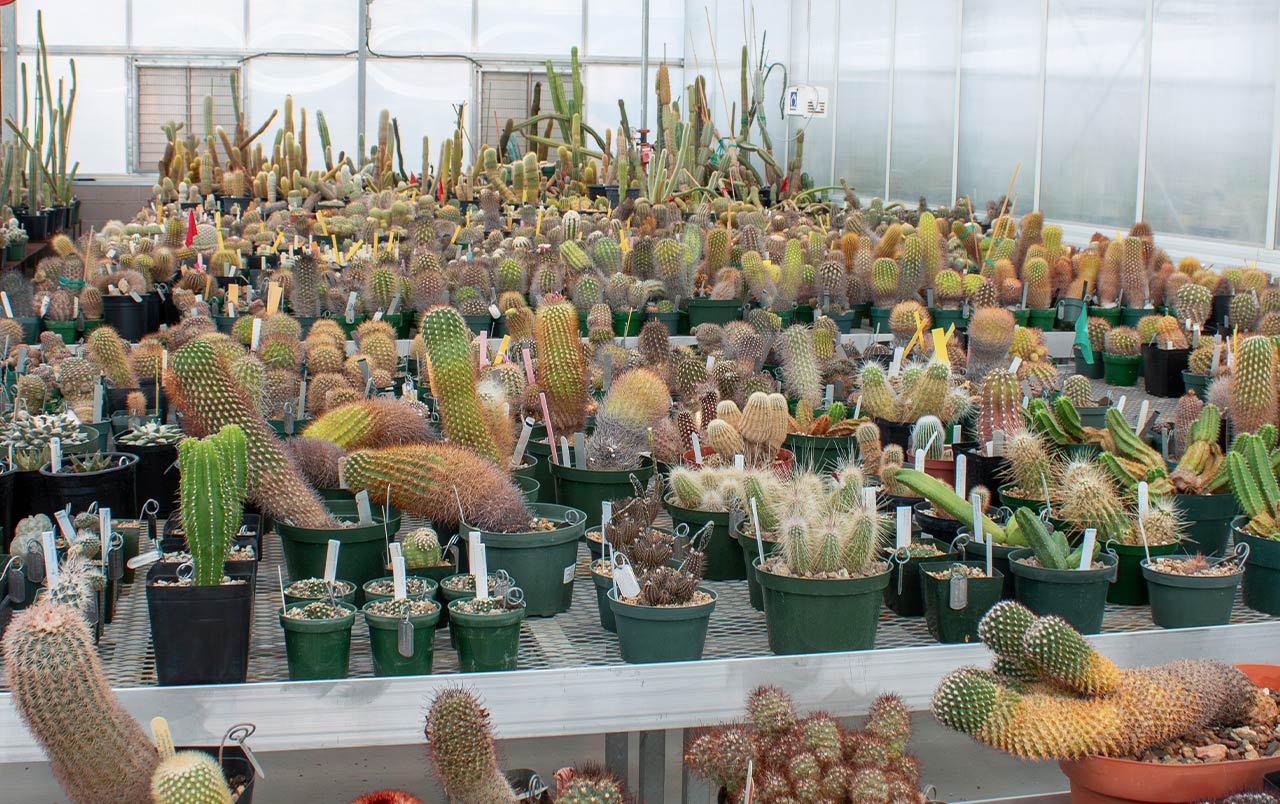
Cactus are among the fifth most threatened plant groups in the world, driven in part by an international black market that removes rare plants from fragile desert habitats. Since 1996, the Garden has served as an official rescue center for endangered plants, partnering with federal agricultural authorities, border inspectors and wildlife agencies to provide a safe haven for confiscated specimens.
These rescued plants cannot simply be returned to the wild. Instead, they become an important part of the Garden’s conservation research:
- Scientists preserve their genetic diversity
- Collect seeds for future restoration efforts
- Use DNA sequencing to trace poached plants back to their region of origin.
This work has contributed to the discovery of new plant species, strengthened conservation efforts for threatened plants and provided valuable insight into the challenges facing desert ecosystems.
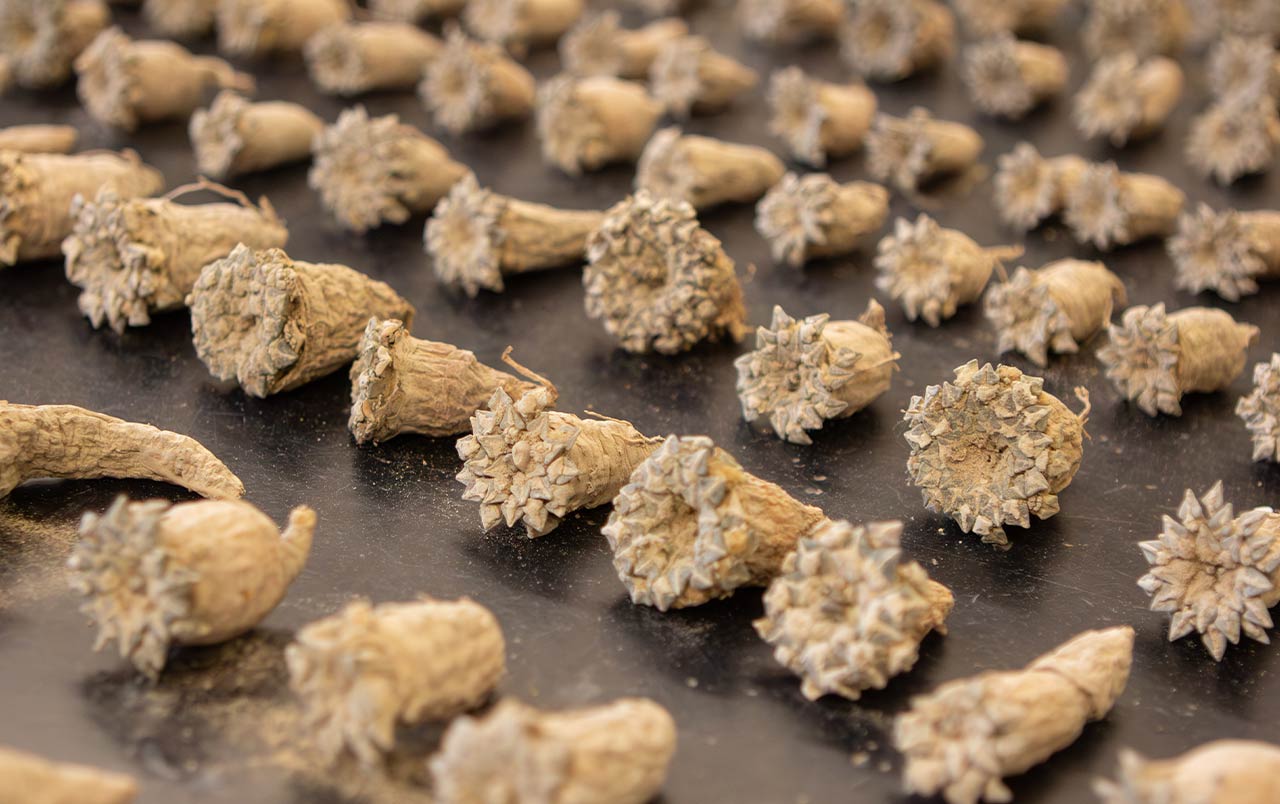
Ariocarpus kotschoubeyanus cactus when they arrived at the Garden.
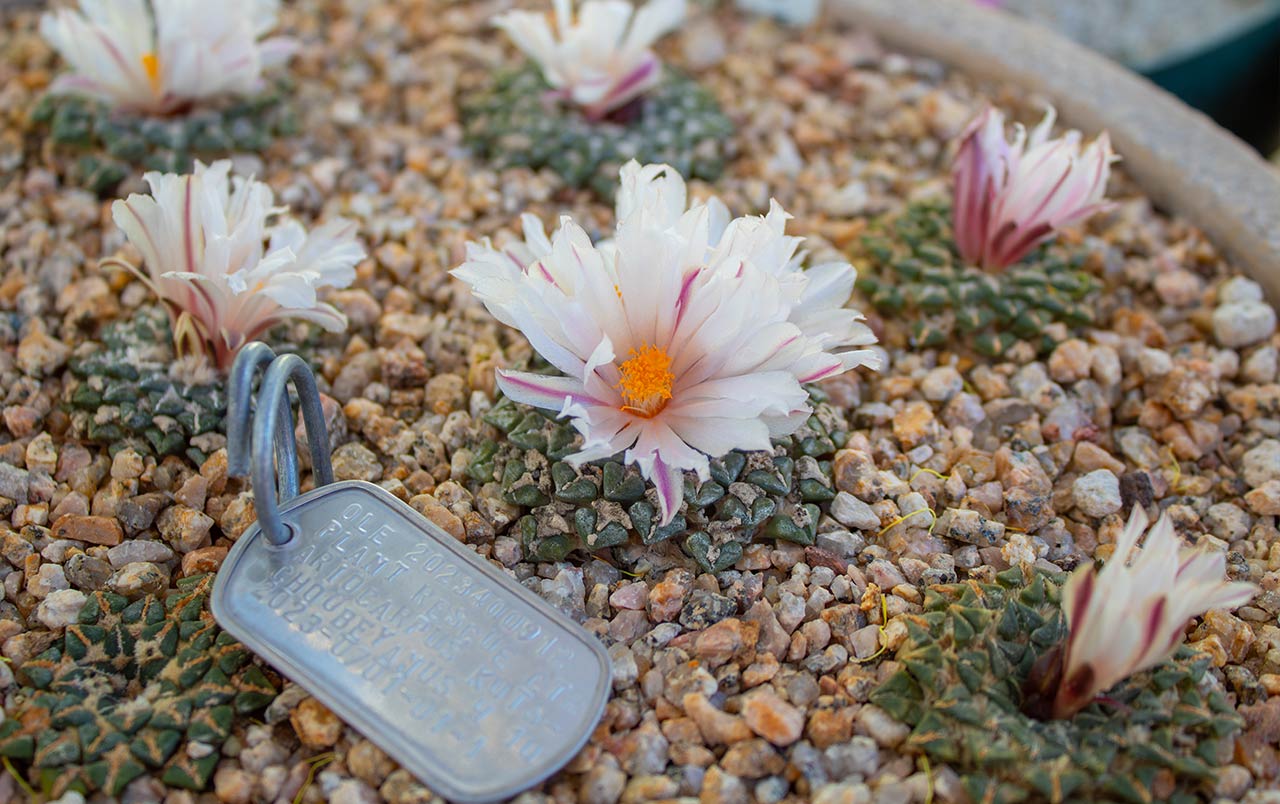
Ariocarpus kotschoubeyanus cactus, thriving and blooming in the Garden’s Greenhouse.
One recent rescue highlights the impact of this work. In 2023, the Garden received a confiscated shipment of 500 Ariocarpus kotschoubeyanus, a rare cactus prized by illegal collectors. When the plants arrived, they were stressed and in poor condition. Today, thanks to the care of the Garden’s research and horticulture teams, they are thriving and blooming. Their seeds are now being collected and preserved, ensuring this rare species can contribute to future conservation efforts. We hope you enjoy seeing them bloom and flourish like we do.